
Written by ACHS Founding President, Dorene Petersen. Updated October 2026.
Iridology is a widely discussed and often misunderstood tool in holistic health. This guide explores what iridology actually is, how it works, where it originated, and how holistic health practitioners use it today.
What Is Iridology?
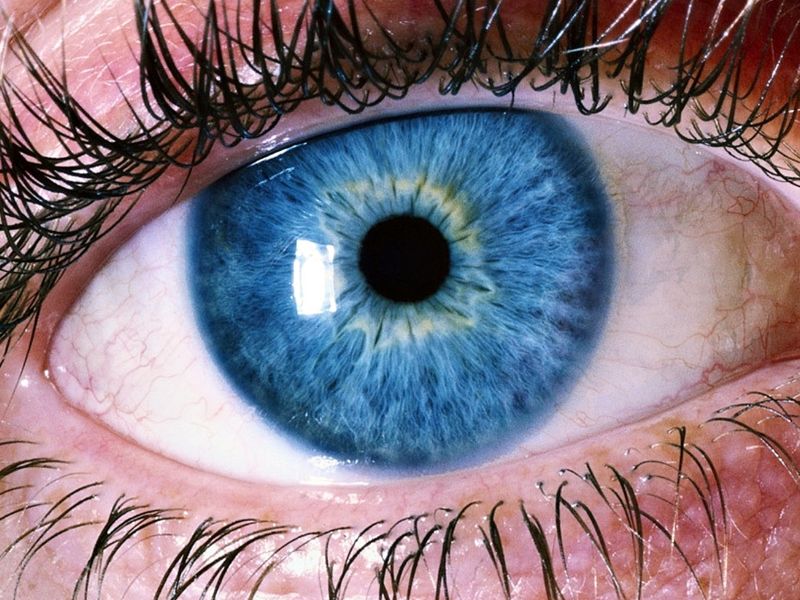
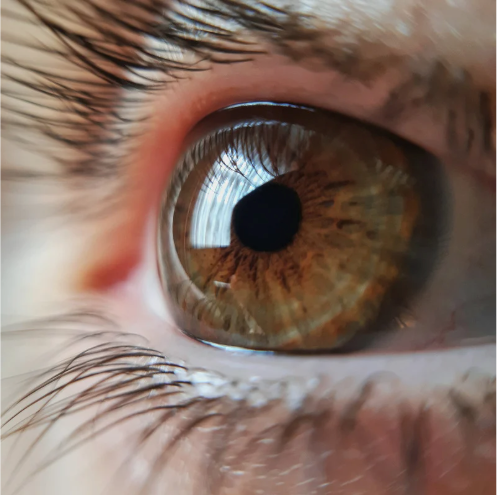
Iridology is based on the theory that it’s possible to assess health and sub-health issues by analyzing changes in the structure, texture, and color of the iris and pupil of the eye.
It’s important to understand what iridology is not. Marks and colors in the iris are believed to reflect conditions in the body’s tissues — they do not indicate abnormalities in the eye itself. Diagnosing or treating eye conditions falls under ophthalmology, a separate medical specialization entirely.
Why the Iris?
The iris has unique anatomical characteristics that make it exceptionally sensitive to changes elsewhere in the body:
- Two primary muscle groups (the dilator and sphincter muscles)
- A complex web of connective tissue and blood vessels
- The optic nerve, which connects directly to the brain via the central and autonomic nervous systems
Reductions in blood flow or nerve transmission anywhere in the body can, according to iridology theory, produce visible changes in both the iris and pupil.
What Iridology Is Used For
For a holistic health practitioner, an iridology reading is a tool for assessing a client’s overall constitution and resiliency. It is not a diagnostic tool for specific symptoms or diseases. It can offer insight into inherited “challenge areas,” or areas of lower vitality, before symptoms ever appear.
 Specifically, practitioners use iridology to help:
- Reveal basic constitutional strength
- Provide a holistic view of the body
- Identify areas of potential inflammation
- Identify a propensity for poor elimination
- Identify a propensity for overacidity (which can contribute to pre-arthritic conditions)
- Point to areas of the body that may explain the underlying causes of symptoms
- Reveal a propensity for adverse tissue change or reduced vitality before it becomes illness
- Identify inherited propensity for lowered vitality
- Reveal an increased need for particular nutrients, and therefore a propensity for deficiencies
- Identify sensitivity to stress
- Identify a propensity for reduced digestive, endocrine, or elimination function
Some iridologists also believe it’s possible to observe signs of healing in the iris over time, encouraging feedback for clients on a health-improvement program.
History of Iridology
The roots of iridology can be traced to 17th-century Europe. In 1670, German physician Philippus Meyens published Chiromatica Medica, describing observations that linked iris features with the body. Modern iridology emerged in 19th-century Europe, when Hungarian physician Ignaz von Peczely developed a systematic approach to iris analysis and published his findings in 1881. Swedish practitioner Nils Liljequist independently developed similar ideas during the same period. While these figures shaped modern iridology, scientific evidence does not support the claim that iris markings can reliably diagnose conditions elsewhere in the body.
How Does Iridology Work?
There are a few competing theories on why the iris reflects changes elsewhere in the body.
The Jensen Theory: Nerve Reflex
Dr. Bernard Jensen (1908–2001), a well-known proponent of the “nature cure” approach and one of the earlier champions of iris diagnosis, proposed that inflammation or irritation anywhere in the body transmits through afferent nerves to the autonomic brain centers. In response, the brain sends a rush of blood to the affected area through efferent nerves, causing localized swelling and congestion.
Jensen theorized that this effect transmits through reflex nerve stimulation to the corresponding area of the iris, producing radial ridges that run from the pupil to the outer edge. This raises the normally white fibers of the iris’s top layer, making them more visible, which is why acute, inflammatory conditions are associated with visible white markings in the iris.
I was fortunate enough to meet Dr. Bernard Jensen, and to this day I recall his vivid blue eyes with a “silk” iris — one of the finest I saw while working as a naturopath in New Zealand. — Dorene Petersen
The Caradonna Theory: Vascularized Connective Tissue
Dr. Bill Caradonna of the International Iridology Practitioners Association (IIPA) takes a different view. He notes that iris tissue is vascularized connective tissue, not nerve tissue, and doesn’t believe individual nerve pathways run from the iris to each part of the body. As he put it in his video Introduction to Iris Structure and Pigment Signs, when asked how the iris reveals this information: “We don’t know yet; they will figure it out one day. Correlation over many years gives us information without having to create theory about why it works.“
What Different Iris Markings Are Believed to Indicate
- Chronic congestion — slowed blood flow and reduced nerve reflexes are believed to darken the corresponding iris area
- Destroyed or removed tissue (e.g., from surgery) — the related iris area is believed to darken further, reflecting a severed nerve connection
As with the rest of iridology theory, these markings are believed to reflect conditions in the body’s tissues, not abnormalities in eyesight or the eye itself.
The Move Toward Biometric Accuracy
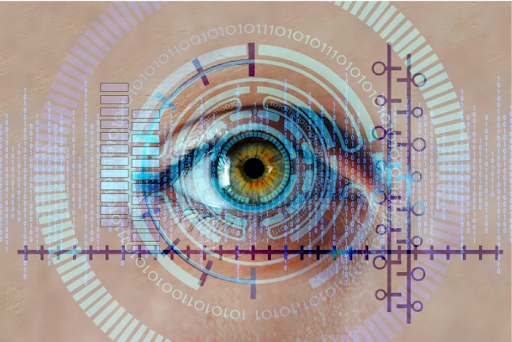
Advances in computer-aided biometric analysis — the same technology behind fingerprint, palm print, and facial recognition — have brought a new level of precision to iris analysis, addressing some of the subjectivity that has historically drawn criticism.
A study published in the IEEE Journal of Biomedical and Health Informatics (January 2013) found a correlation between structural and textural changes in the pupil and collarette and gastrointestinal disorders.1 Researchers quantitatively defined and measured features of the pupil and collarette for iris diagnostic applications, finding that inflammation was generally associated with pupil contraction, while gastro-duodenal bleeding was associated with pupil enlargement. It’s among the first studies to lend iridology a measure of quantitative, clinical support.
Iridology software is now available to assist with analysis, though it remains essential to learn the underlying technique. Reading an iris is a bit like finding one species of tree in a mixed forest—when you know the leaf shape and size, the rest is easy.
How Is Iridology Practiced Today?
Iridology is most commonly used today as a complementary tool within a broader holistic health practice, alongside modalities like nutrition consulting, herbalism, and aromatherapy, rather than as a standalone diagnostic service.
Setting Client Expectations
Most clients are genuinely eager to have their eyes read. But practitioners, especially those newer to the field, need to be careful in how they communicate findings. It’s easy to get swept up in the excitement of a reading.
A few important guidelines:
- Always frame observations in terms of systems and supportive wellness protocols rather than as a diagnosis.
- Never predict disease or guess at the cause of an ailment. Worry and fear alone can contribute to illness. Always refer clients to a primary care physician for a complete diagnosis.
- Ask, don’t tell. For example, if iris coloration suggests an overacid condition (a known contributor to pre-arthritic conditions), don’t say “I see that you have arthritis” or even “I see that you may get arthritis.” Instead, ask: “Is there a history of arthritis in your family?”
- Offer a plan, not a prognosis. If the client says yes, a practitioner might respond: “I can see that your system has a tendency toward overacidity, which is very common. I’d recommend an alkalizing diet to address this before it leads to any problems. I can work with you to build an eating plan.”
- Introduce change gradually. For example: “It’s important to rebalance the body gradually, not through drastic action. Let’s talk about ways to introduce more healthful habits into your lifestyle.”
- Inquire about supplements and remedies. Clients should always tell their healthcare provider about any herbs, essential oils, or dietary supplements they’re using.
Legally and ethically, unlicensed holistic health professionals may not diagnose disease. Iridology findings should always translate into supportive lifestyle and wellness recommendations — never a medical diagnosis.
What Careers Can You Pursue Within Iridology?
 Iridology is rarely a standalone profession. Most practitioners incorporate it as a specialized skill within a broader holistic health career. Common paths include:
- Holistic Health Practitioner / Consultant: Using iridology alongside nutrition, herbalism, and lifestyle coaching to support client wellness plans.
- Integrative Health and Wellness Coach: Incorporating iridology as one complementary tool while helping clients set wellness goals, build healthy habits, and make sustainable lifestyle changes.
- Iridology Consultant: Offering iris analysis as a specialized service within a spa, wellness center, or private practice.
- Naturopath (where state law permits): Integrating iridology into a broader natural-health assessment toolkit.
- Wellness Educator: Teaching clients or students about holistic constitutional assessment tools, including iridology.
Iridology works best as one credential among several in a well-rounded holistic health career since it is a complementary practice.
How Can You Study Iridology at ACHS?
If you’re interested in learning iridology, whether for personal use or as an adjunct to a holistic health practice, ACHS offers:
 NAT 203: Historical Modalities I: Iridology Online — a 3-credit course covering:
- The theory of iridology, from its historical roots to modern applications
- Modern controversies and conflicting viewpoints within the field
- Practical techniques and skills for reading and analyzing an iris
Upon successful completion, earners receive the Integrative Iridology Specialist™ badge automatically. The course may be taken as a single course or as part of a larger program at ACHS.
Explore Iridology With an ACHS Master Lecture
Watch now! Herbalist, naturopath, and former International Iridology Practitioners Association President Betty Sue O’Brian introduces the fundamentals of iridology and sclerology. She discusses constitutional iris types, structural signs, and how these approaches can be used in holistic health practice. Watch the video below.

Ready to get started?
Frequently Asked Questions
Is iridology a form of medical diagnosis?
No. Iridology is considered a complementary wellness practice, not a medical diagnostic method. Iridology practitioners assess iris patterns and markings according to traditional iridology theories, but these observations should not be used to diagnose or predict disease. Clients should consult a qualified healthcare provider for medical concerns.
What can an iridology reading tell you?
According to iridology theory, an iris reading may provide insight into constitutional tendencies, areas of reduced vitality, stress sensitivity, and other aspects of overall wellness. Practitioners use these observations to support lifestyle and wellness recommendations rather than diagnose specific conditions.
Is there scientific evidence that iridology works?
Scientific evidence does not currently support the use of iridology to reliably diagnose medical conditions. Some research has explored relationships between iris features and health conditions, including quantitative studies of pupil and collarette characteristics. However, further research is needed to establish whether these findings have meaningful clinical applications.
What happens during an iridology reading?
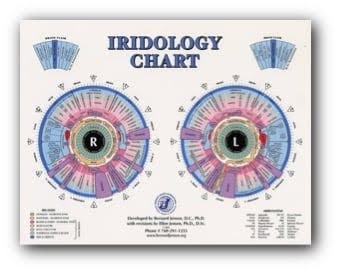
An iridology practitioner typically examines photographs or magnified images of the client’s irises, looking at features such as color, texture, markings, pupil shape, and other structural characteristics. The practitioner then interprets these observations according to an iridology chart or system and may use them to guide wellness discussions.
Can iridology diagnose diseases?
No. Iridology should not be used to diagnose diseases or replace medical care. Practitioners should refer clients to an appropriate healthcare professional when symptoms, health concerns, or potential medical conditions require evaluation.
Can anyone learn iridology?
Iridology can be studied as a complementary skill within a broader holistic health practice. Training can help students understand the history, theories, observation methods, and controversies surrounding the practice.
How can I study iridology at ACHS?
ACHS offers NAT 203: Historical Modalities I: Iridology Online, a 3-credit course exploring iridology’s historical foundations, theories, practical observation techniques, and contemporary perspectives. Successful earners also receive the Integrative Iridology Specialist™ badge automatically.
References
- Lin, M., Zhang, D., Li, N., Cai, Y., Zuo, W., & Wang, K. (2013). Iris-Based Medical Analysis by Geometric. IEEE Journal of Biomedical and Health Informatics, 17(1).
- Norn M. (2003). Irisanalysens historie (og fremtid?) [Analysis of iris: history and future]. Dansk medicinhistorisk arbog, 103–117. https://pubmed.ncbi.nlm.nih.gov/14765528/
This content is for educational purposes only and is not intended to be medical advice. It is not intended to treat, diagnose, cure, or prevent disease. This article has not been reviewed by the FDA. Always consult with your primary care physician or naturopathic doctor before making any significant changes to your health and wellness routine.