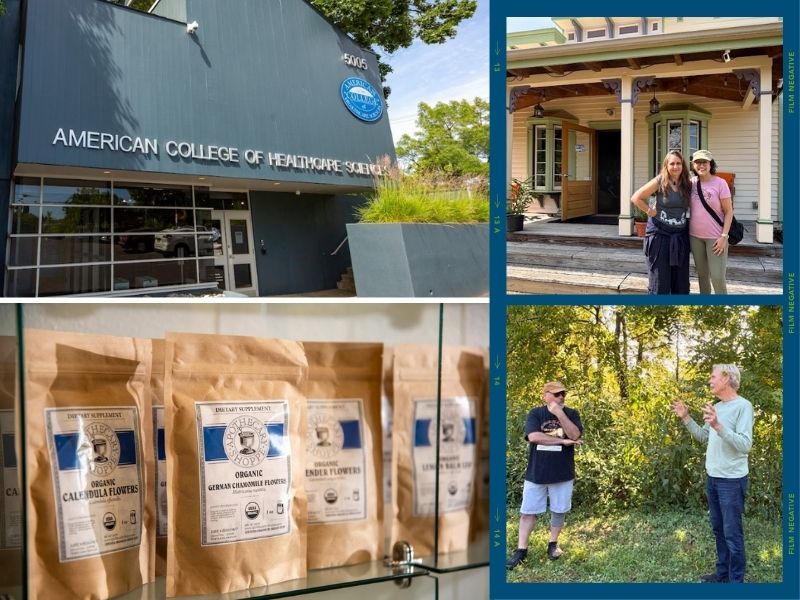
Pictured clockwise from top left: The ACHS campus building, Susan Leopold, PhD, Executive Director of United Plant Savers (left) and Judith Thompson, ND, ACHS Dean of Herbal Medicine (right), David Winston, RH (AHG), (left) and Christopher Hobbs, PhD., organic herbs from the ACHS Apothecary Shoppe.
Dean Judith Thompson Shares the Seasons of 2025 and Looks Forward to 2026
2025 brought a lot of new energy to the ACHS Herbal Medicine Department. With the first year under my belt, having learned about all the offerings of ACHS and the many ways we serve students, I had the opportunity to look at where we could plant more seeds, cultivate new relationships, and continue to grow as a department. While already being a well-established academic program with a rich history, I found more fertile ground to work with. This adventure was calling me to dig in and further nurture the environment we already had.
Winter and Early Spring 2025: Inaugural Sustainability Expo
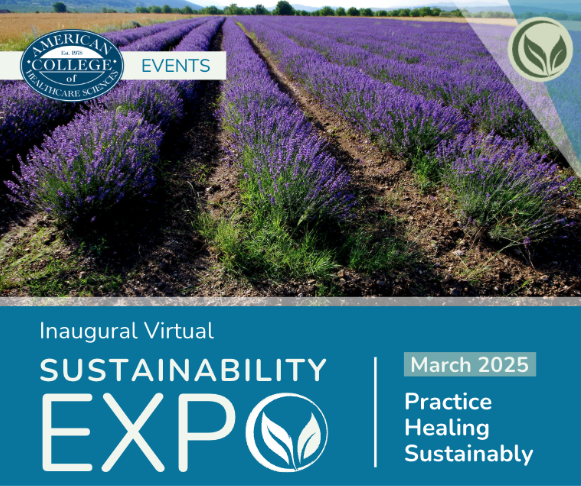 The seeds for a sustainability expo were planted in 2024, and we worked fervently to make it happen. We reached out to herbal and essential oil companies far and wide to have the strongest voices in botanical sustainability speak about their challenges and efforts in areas such as plant growth, wild crafting, product manufacturing, and clinical use. In early spring, we hosted individuals from various areas of the botanical industry at the inaugural ACHS Sustainability Expo, including:
- Non-profits (Herbalists Without Borders (HWB), FairWild Foundation, Sustainable Herbs Initiative (SHI), and Michigan Protects)
- Farmers (Azure Standard)
- Wildcrafters (Appalachian Sustainable Development)
- Retailers (Evan Healy and Asheville Tea Company)
- Community herbal clinics (The Botanical Bus and The Herb Shoppe)
- World-renowned aromatherapy experts Marco Valussi, BSc (Hons), Kelly Ablard with the Airmid Institute, Diane Osgood, author of Your Shopping Superpower: Follow Your Values and Better Your World One Purchase at a Time, ACHS’s own Dean of Aromatherapy, Amanda Lattin, and ACHS faculty and staff who volunteered with various organizations to support sustainability in their own communities.
These experts brought their voices together to represent diverse perspectives on maintaining botanical sustainability for plants, people, and the planet. It was inspiring and heartwarming to hear herbalists, herbal companies, and organizations share their experiences and how they have overcome struggles, continuing to move forward with optimism.
Spring 2025: Global Botanical Research Collaboration
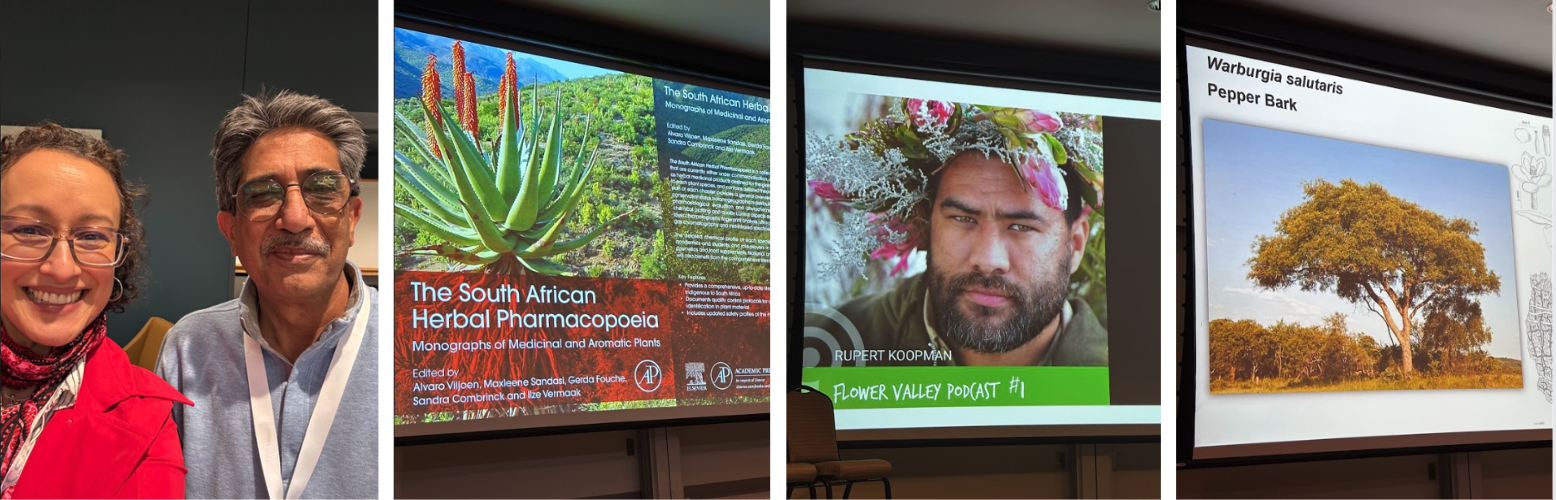
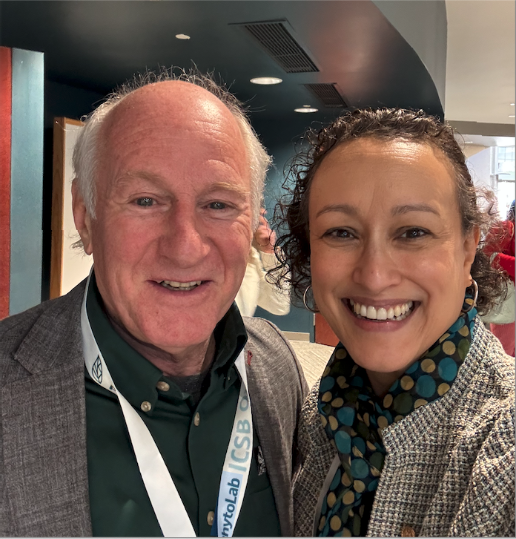
Springtime brought me to the International Conference on the Science of Botanicals in Oxford, Mississippi, where I met researchers, botanists, professors, and doctors from around the globe who were conducting research on botanicals. From Mexico to Australia, Europe to South Africa, and China to Madagascar, I had the opportunity to see research findings where the medical and botanical worlds intersect and hear about concerns with herb-drug interactions from surgeons and attorneys representing legal concerns at both national and international levels. These presentations brought forward real-world concerns that affect everyone who uses and works with herbs. This conference took place during the early stages of federal statements about international tariffs, and there were early discussions on how we could collaborate within the botanical industry to safeguard the plants we dearly care for.
Late Spring and Summer 2025: Partnerships Launched & Immersive Botanical Walk
Towards the end of spring, we saw collaborations coming to life with the beginning stages of partnership discussions with organizations such as the American Herbal Pharmacopoeia and Herbalists Without Borders. My intention was to provide ACHS students with opportunities for more hands-on, real-world experience, so that they would feel empowered when entering the herbal workforce. By early summer, we figured out the details and announced our partnership with the American Herbal Pharmacopoeia. This will be a great opportunity for students interested in research and writing about new findings within the botanical industry. Photo caption
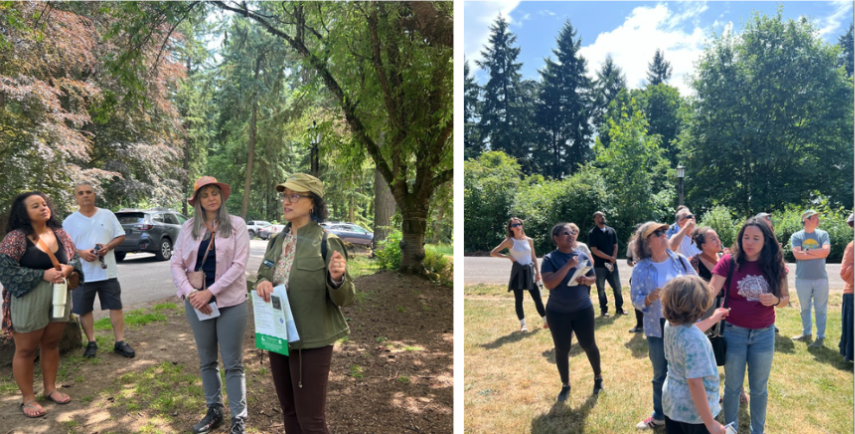
In June, we hosted our annual Botanical Walk in Mount Tabor with the 2025 Herbal Medicine and Aromatherapy graduating students and their families. It was a light hike, giving everyone a chance to stop and literally smell the flowers- and trees!- and experience the gifts of the plant world. We observed and smelled some of the local plants and flowers, and observed how we felt being around specific aromatic trees. Everyone had a full immersion and unique perspective into the botanical world, including friends and family who were new to botanicals. They all left feeling peaceful with smiles on their faces.
Late Summer and Fall 2025: Conferences, Stewardship, Education, & Collaboration
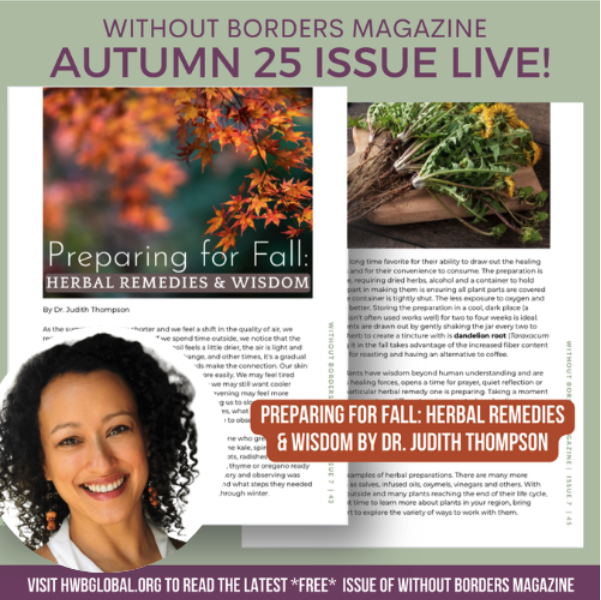 Throughout the summer, we worked with Herbalists Without Borders and finalized our partnership agreement with them. This partnership will provide more support to budding herbalists who want to delve deeper into clinical herbalism and receive more hands-on mentorship. I also had the opportunity to publish an article in their Fall edition of Without Borders, titled Preparing for Fall: Herbal Remedies and Wisdom, where I focused on relevant herbs to consider consuming during the fall season.
Autumn brought two excellent conferences, the International Herb Symposium (IHS) and the American Herbal Products Association (AHPA) conference, along with two tangential bucket-list experiences. 2025 marked the first in-person IHS conference since the pandemic. It was well-received and well-attended, bringing together herbalists from the U.S., Canada, and Europe. They focused presentations on the eclectic practices of herbalism, drawing from the American herbal traditions of the late 1800s to early 1900s, when herbal practices were at their peak. Other presentations over the three-day conference focused on topics such as being business savvy in herbal practice for long-term success by the current Executive Director of the American Herbalist Guild, Erika Galentin, MNIMH, RH (AHG), the “Speech of Nature” by long-time herbalist and author Matthew Wood, and a review of “The Generosity of Plants” by Rosemary Gladstar. Oshala Farm presented their practices on maintaining a sustainable farm. Lauren Nichols-Sheffler from WishGarden Herbs presented a case study on yerba mansa, a southwestern U.S. native plant, and being land stewards for the sustainability of herbs. These and many others displayed a wealth of knowledge for the long-term viability of plants.
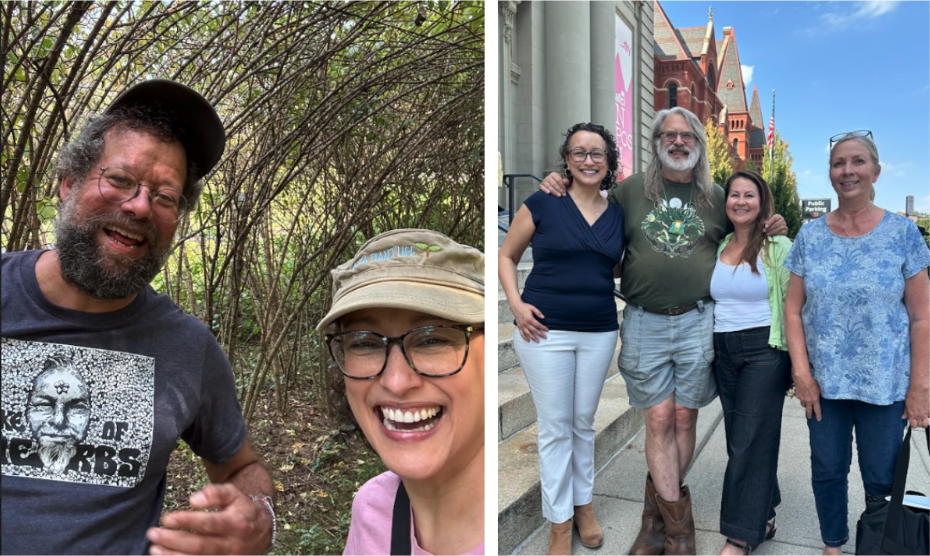
From there, a small group of us, including Chris Alstat, owner of Eclectic Herb, went to the United Plant Savers (UpS) botanical sanctuary to learn more about the plants of the Appalachian foothills. Modern-day herbalists David Winston, RH (AHG), and Christopher Hobbs, PhD, spoke about practices that maintain a more sustainable approach to herbalism through their eclectic uses of plants, which were often administered through drop doses. We had the opportunity to read through some of the texts from the late James Duke library collection held by UpS. Looking at one book alone, it was easy to see the profundity of his knowledge of plants.
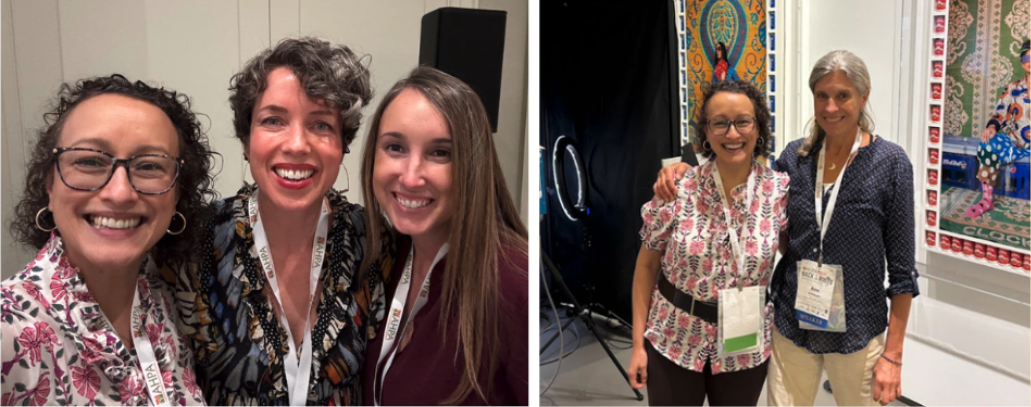
The AHPA conference provided a different angle by presenting the current state of affairs regarding plants from both legal and manufacturing perspectives. Presenters ranged from within the U.S. government, including representatives of the Food and Drug Administration (FDA), to international groups discussing viable and sustainable methods for the production and manufacturing of herbal plants. By the time this conference took place, U.S. tariffs had already been in effect, and attendees were feeling the effects of them. The discussions centered on collaboration and efficient processes to support farms, local communities, herbal businesses, and national and international trade through a changing environment and volatile political atmospheres worldwide. These conversations affected every business, organization, and individual in the room. We acknowledged that we were all navigating a changing landscape collectively, and collaboration was the way forward in uncertain times.
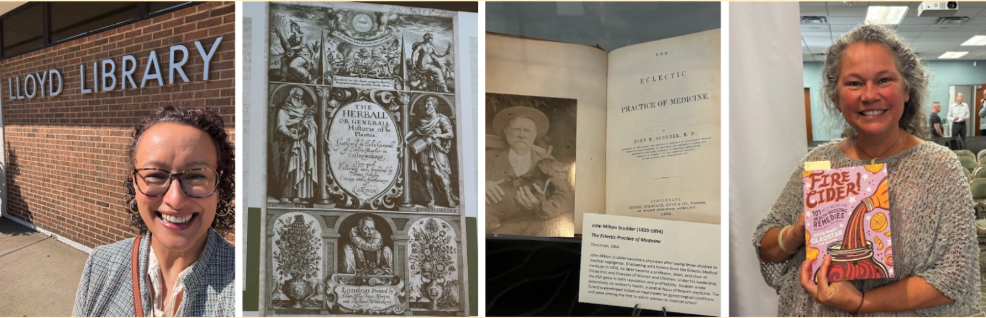
Both the IHS and AHPA folks offered presentations at the Lloyd Library, a historic book museum based in Cincinnati, OH, with out-of-print books and legendary herbal, homeopathic, eclectic, and naturopathic texts dating back to the 1600s. While there, I had a chance to hear directly from Elise Higgs, owner of Oshala Farm, a certified organic farm using regenerative, sustainable cultivation practices, about her fire cider recipe in the Fire Cider recipe book. I also saw the Eclectic Practice of Medicine written by John Scudder (1864 C.E.), creator of the famous Scudder alterative herbal formula.
In October, ACHS hosted its annual Employer Summit to explore the latest workforce trends and identify industry needs that prepare students for the workforce. This year, two main skills stood out: effective communication skills and knowledge of how to utilize artificial intelligence (AI) effectively. To this end, in the herbal medicine department, we are closely listening and reviewing our courses to identify areas where we can implement skill-building to support these needs throughout our curriculum.
The Herbal Medicine Department added new members to our Program Advisory Council (PAC), demonstrating our commitment to continuing to build and grow this department to a top-tier herbal educational program. Among our new members are:
- Denise Cusack, MIFPA , Herbalists Without Borders, Executive Director
- Roy Upton, RH (AGH), Dip Ayu, American Herbal Pharmacopoeia, Founder
- Shanti Albani, ND, Life Extension, Manager of Clinical Information
- Jason Dave, ND, Restorative Formulations, Medical Advisor
- Sarah Hasler, MS, RD, Herb Pharm, Director of Botanical Affairs
- Nathan Brennan, Foster Farm Botanicals, Manager
- Sarah Vito, FairWild Foundation, North American Business Development Representative.
I am delighted to welcome these experts to our PAC and have them advise us on the rigor, relevance, and applicability of the herbal medicine curriculum, ensuring that we continue to provide our students with the best herbal education, informed by current consumer trends, employer needs, and research findings.
 One organization with which we’ve worked extensively throughout the year is the Sustainable Herbs Initiative. This group is led by anthropologist Ann Armbrecht, PhD, who continues to ask the question “How can we do this better, more sustainably, while staying heart-centered?” These are important questions we- as a collective of herbal businesses, non-profits, wildcrafters, farms, and educational groups- continue to ask as we move forward together, recognizing that we are a web of humans interconnected by our need for plants while being dependent on a plentiful planet. We are asking hard questions to face challenges head-on and grow with transparency for the health and well-being of all.
What’s Next for ACHS Herbal Medicine
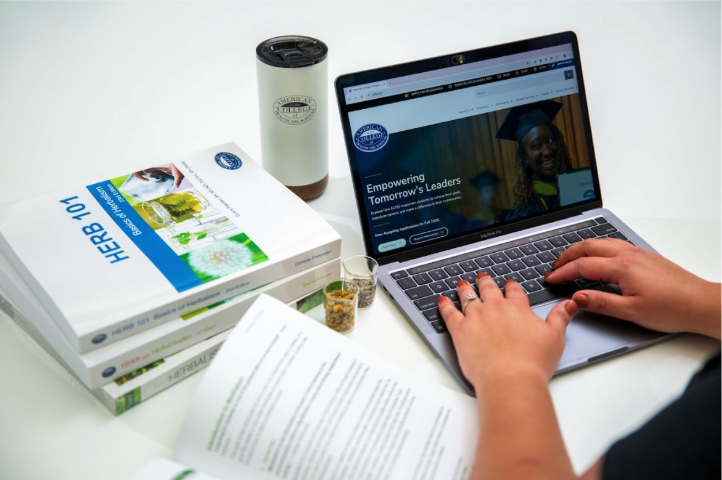 Looking ahead to 2026 is an exciting time. We’re forging ahead with building more partnerships and opportunities for ACHS students. The Herbalist Without Borders mentorship program is launching in the winter and will partner herbal students with seasoned herbalists to learn more about the clinical aspects of working with herbal clients. We’re creating opportunities for herbal internships, research, and mentorships with herbal companies and organizations that provide ACHS students with cutting-edge experiences and prepare them to be the top students entering the herbal workforce. Stay tuned for more updates as we continue to build on these foundations. If you have specific questions, reach out to anyone at the admissions office, student services, or me, Dr. Judith Thompson, Dean of Herbal Medicine.
Interested in learning more about Herbal Medicine at ACHS? Explore our herbal medicine programs or request more information today!