
Reviewed by Dorene Petersen, ACHS Founding President.
Chronic pain affects millions of people across the United States and remains one of the most complex health challenges facing healthcare providers today. While medications and conventional therapies continue to play an important role, a newly published clinical trial from the U.S. Department of Veterans Affairs (VA) is drawing national attention to a different approach: whole-person, integrative care.
The recently published wHOPE Randomized Clinical Trial evaluated whether a “Whole Health” care model could improve outcomes for veterans living with chronic pain. The findings offer important insight into how integrative health, wellness coaching, behavioral support, and personalized care planning may work together to support long-term wellbeing.
For students and professionals in aromatherapy, herbal medicine, integrative health, wellness coaching, nutrition, and holistic health education, the study also reflects a broader shift already taking place across healthcare systems: growing interest in evidence-informed, interdisciplinary wellness approaches.
Inside the VA’s New Chronic Pain Study
The VA’s Whole Health Options and Pain Education (wHOPE) trial included 764 veterans with chronic pain across six VA healthcare systems in the United States. Participants were randomized into one of three groups:
- A Whole Health Team approach
- Cognitive Behavioral Therapy (CBT) for chronic pain
- Usual care
 The Whole Health Team model brought together:
- A physician or nurse practitioner
- A clinician trained in nonpharmacologic or integrative pain care
- A wellness coach
Rather than focusing only on symptom reduction, the model centered on the patient’s personal goals, values, lifestyle, and overall wellbeing.
According to the study, coaches and clinicians worked collaboratively with patients to explore areas such as:
- Sleep
- Nutrition
- Movement and physical activity
- Emotional health
- Social connection
- Personal development
- Spirituality
- Environment
The goal was not simply to “treat pain,” but to help patients improve quality of life in ways meaningful to them personally.
What Researchers Found
After 12 months, the Whole Health Team approach showed greater improvements in pain interference compared with both CBT and usual care.
 Researchers found that participants in the Whole Health group:
- Reported improved daily functioning
- Increased use of non-drug and integrative therapies
- Reported better overall perceptions of improvement over time
The study also noted that the Whole Health model outperformed CBT alone in reducing how much chronic pain interfered with daily life.
Importantly, researchers emphasized that the approach focused on long-term behavior change and patient engagement rather than quick symptom management alone. One example from the study described helping a patient gradually increase walking activity in support of a meaningful life goal — spending more active time with family.
Why This Research Matters
The findings reflect a growing healthcare trend that many integrative health professionals have been discussing for years: chronic conditions often require interdisciplinary, lifestyle-oriented, and patient-centered support.
 The study highlighted increased use of complementary and integrative approaches including:
- Yoga
- Mindfulness
- Acupuncture
- Massage
- Tai chi and qi gong
- Relaxation techniques
- Wellness coaching
These approaches were integrated into broader care planning rather than positioned as standalone solutions.
For ACHS students and graduates pursuing careers in integrative health and wellness, the study provides another example of how wellness-focused modalities are increasingly being discussed within evidence-based healthcare environments.
The Growing Role of Wellness Coaching
One of the most notable aspects of the study was the role of coaching.
Participants in the Whole Health group received ongoing coaching support designed to help them connect short-term health actions with long-term personal goals.
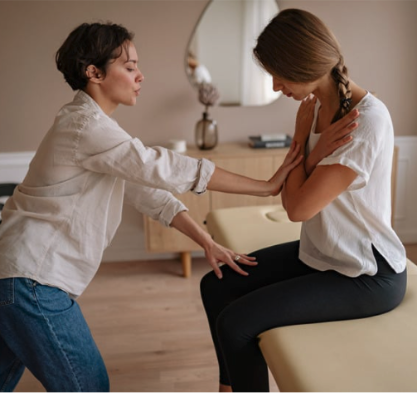 This mirrors a larger shift occurring across healthcare and workplace wellness programs, where professionals are increasingly focusing on:
- Health behavior change
- Lifestyle support
- Patient empowerment
- Preventive wellness
- Personalized care planning
As healthcare systems continue exploring interdisciplinary models, demand for professionals who understand communication, wellness education, behavior change, and evidence-informed integrative approaches may continue to grow.
What This Means for ACHS Students
At ACHS, many programs already explore areas connected to whole-person wellness, including:
- Aromatherapy
- Herbal medicine
- Holistic nutrition
- Integrative health
- Wellness coaching
- Mind-body approaches
- Stress management
- Lifestyle and behavioral wellness
The wHOPE trial reinforces an important idea: integrative health is increasingly being evaluated through clinical research, interdisciplinary collaboration, and patient-centered outcomes.
It also highlights the importance of communication and collaboration between healthcare professionals, wellness practitioners, and coaches in supporting long-term wellbeing.
For students preparing for careers in wellness and integrative healthcare, research like this offers insight into how healthcare systems may continue evolving toward more collaborative, patient-centered care models.
Where Chronic Pain Care May Be Headed
Chronic pain remains one of the most challenging public health concerns in the United States. The wHOPE trial does not suggest there is a single solution for pain management. In fact, researchers noted that improvements were statistically significant but modest overall.
Still, the study contributes to a larger healthcare conversation around how integrative and whole-person strategies may support quality of life alongside conventional care.
As healthcare systems continue evaluating approaches that combine evidence-informed integrative therapies, coaching, behavioral health, and patient-centered planning, research like this may help shape future models of care.
For students interested in the future of wellness, integrative healthcare, and interdisciplinary collaboration, the conversation is continuing to evolve.
References
This article is for informational purposes only. The information included is representative of industry trends as provided in the references. Please refer to third-party sites for additional information. ACHS does not guarantee graduate employment or other placement. Note that professional success is achieved by a number of factors beyond education and experience, including soft skills, work ethic, integrity, and other skills that may not be developed through education and training alone.