Updated in March 2026. Reviewed by Amanda Lattin, ACHS Dean of Aromatherapy. Original content repurposed from a webinar with registered aromatherapist, Michael Ford, in 2021.
How to Create Effective Blends with Carrier Oils, Infused Oils, and Essential Oils
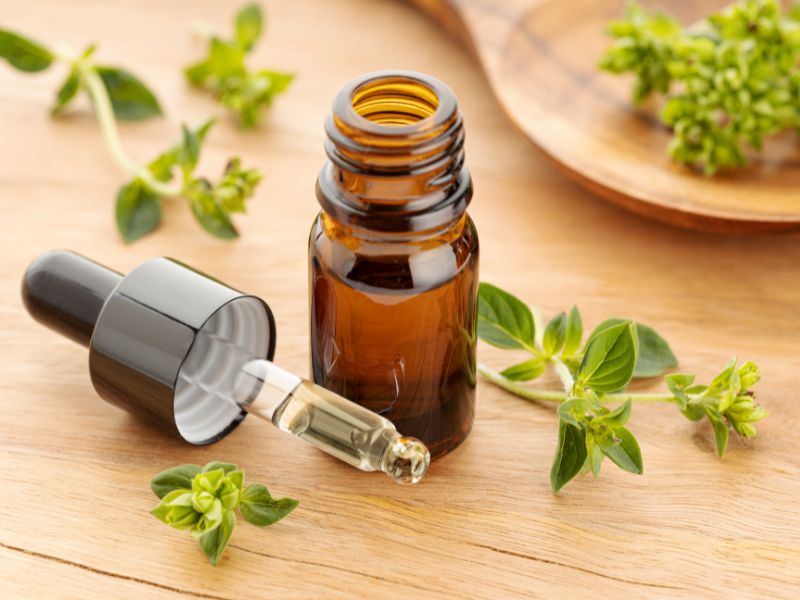
Aromatherapy formulation is more than adding essential oils to a base. It’s also the intentional synergy of carrier oils, infused oils, and essential oils working together to support skin health and overall wellness. Understanding how these elements interact allows you to create topical products that are safe, effective, and beautifully balanced.
Resource: Watch a video introducing ACHS’s Holistic Aromatherapy for Integrative Health™ Micro-Credential, which helps build the foundation for advanced study and continues the training to become a Certified Aromatherapist.
This guide explores the fundamentals of enhanced aromatherapy formulation and demonstrates key principles through four practical recipes.
Understanding Carrier Oils in Aromatherapy
Carrier oils form the backbone of topical aromatherapy products. They dilute essential oils, nourish the skin, and contribute therapeutic benefits of their own.
Common Carrier Oils
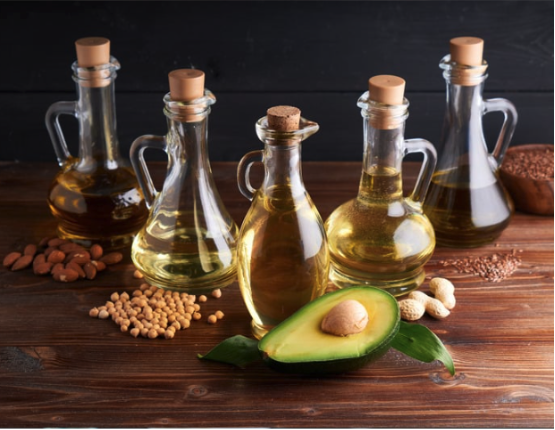 Popular carrier oils include almond, apricot kernel, avocado, camellia, grapeseed, jojoba, olive, sunflower, rose hip, evening primrose, and borage oils, along with butters such as shea, cocoa, and mango.
Benefits of Carrier Oils
Carrier oils provide:
- Essential and non-essential fatty acids
- Fat-soluble vitamins (A, D, E, K)
- Phytosterols and phospholipids
These constituents offer emollient, antioxidant, anti-inflammatory, and protective effects on the skin.
Choosing the Right Carrier Oil
Consider skin type, shelf life, allergies, texture, therapeutic goals, and environmental factors when selecting oils for a formulation.
Essential Oils vs. Carrier Oils: Key Differences
Essential oils are volatile, aromatic compounds distilled or cold-pressed from plants. They contain a narrow range of constituents and are highly concentrated.
Carrier oils are cold-pressed from seeds, nuts, or fruit flesh. They are non-volatile and rich in fatty acids, making them ideal for topical delivery.
Infused Oils: Enhancing Herbal Synergy
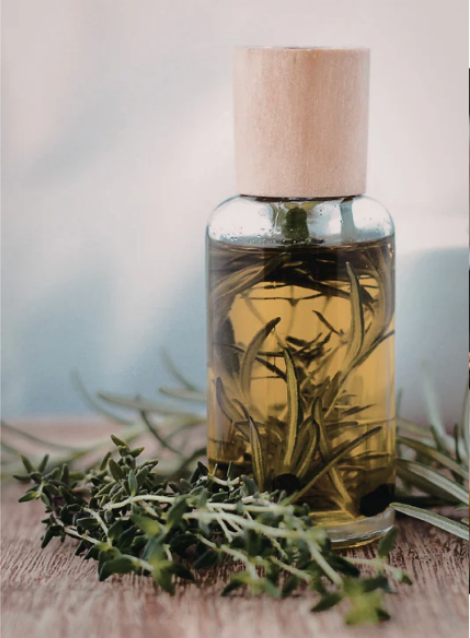 Infused oils combine carrier oils with herbs, extracting lipid-soluble plant constituents not found in essential oils alone.
Why Use Infused Oils?
- Deliver both herbal and carrier oil benefits
- Extract additional plant compounds
- Allow multi-herb synergy
Simple Infusion Methods
Use dried (½ oz) or fresh (1 oz) herbs per 8 oz carrier oil:
- Solar infusion: Warm location, several days to weeks
- Water bath: Low heat for 30 minutes
- Crock pot: Lowest setting for 2 hours
Always strain thoroughly and label clearly.
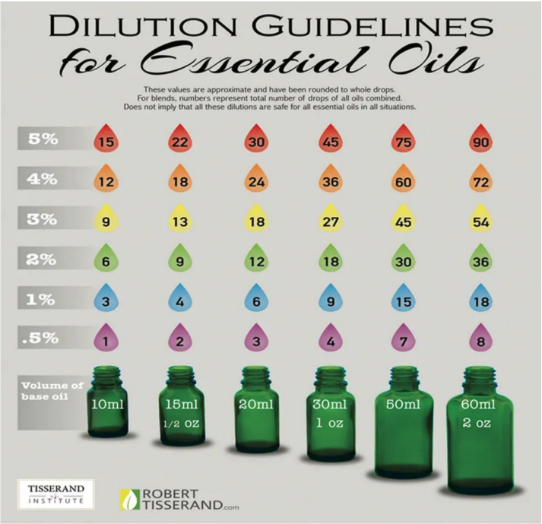
Dilution Guidelines for Topical Aromatherapy
Dilution is essential for safety and effectiveness.
General Dilution Ranges
- Facial products: 0.25–2%
- Body products: 1–5%
- Acute or short-term use: 3–15%
- Spot treatments: 10–25% or higher
Adjust dilution based on age, skin sensitivity, health status, and frequency of use. When in doubt, use less.
Cosmetic Formulation Basics: Emulsions and Anhydrous Products
Cosmetic formulations generally fall into two categories: emulsions, which combine water and oil, and anhydrous products, which contain no water. Understanding their basic phases helps ensure stability, safety, and performance.
Emulsion Formulation: The Three Essential Phases
Emulsions blend water-based and oil-based ingredients into a uniform product. Because water supports microbial growth, proper formulation and preservation are critical.
1. Water Phase
 This phase forms the hydration base of the formula and may require heat. Common components: Water, hydrosols, glycerin, gelling agents, liquid alcohols, and solubilizers.
2. Oil Phase
Prepared separately, the oil phase provides structure and skin-conditioning benefits and may also require heat. Common components: Carrier oils, infused oils, butters, lanolin, emulsifiers, and solubilizers.
3. Cool Down Phase
Added after emulsification, this phase includes heat-sensitive ingredients and typically requires thorough mixing. Common components: Preservatives, essential oils or fragrance, colorants, and texturizers.
Emulsion Safety and Preservation
Any product containing water must include a preservative. Antioxidants like vitamin E help slow oil oxidation but do not prevent microbial growth. Refrigeration does not replace preservation.
Anhydrous Formulation: Water-Free Products
 Anhydrous formulations contain no water but may still include emulsifying or solubilizing ingredients. These products are generally simpler and more shelf-stable but still require careful handling.
1. Heat Phase
Some anhydrous products require melting solid ingredients. Common components: Butters, waxes, lanolin, and solid alcohols.
2. Cold Phase
Many anhydrous formulas are made without heat, using liquid oils as the base. Common components: Carrier oils, infused oils, essential oils, vitamins, colorants, and texturizers.
Finishing and Stability Tips
- Avoid introducing water during formulation or packaging.
- Test texture before finalizing solid products.
- Antioxidants improve shelf life, and preservatives are recommended if water exposure is possible.
- Rapid cooling can improve texture and consistency.
Aromatherapy Formulation Recipes
1. Antioxidant Facial Oil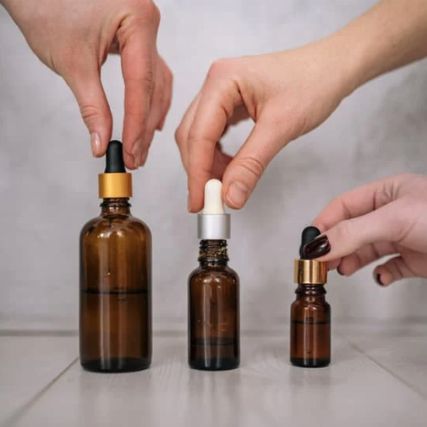
Ingredients
-
- 1 oz bottle with dropper or reducer
- 15 ml Camellia Camellia japonica oil
- 10 ml Apricot Kernel Prunus armeniaca Oil
- 5 ml Jojoba Simmondsia chinensis oil
- 1 drop Carrot seed essential oil Daucus carota
- 3 drops Rosemary essential oil Rosmarinus officinalis
- 3 drops Sandalwood essential oil Santalum album or Santalum spicatum
- 2 drops Vetiver essential oil Vetiveria zizanioides
Antioxidant Facial Oil Steps
-
- Use the beaker to measure out the camellia oil, apricot, and jojoba oils and add them to the amber bottle.
- Drop the essential oils into the bottle.
- Close tightly and shake vigorously for at least one minute.
- Label and store tightly sealed away from light and heat.
General Use
Drop 2–3 drops onto the palm and gently rub hands together 2–3 times. Press onto the clean skin, avoiding the eyes, and smooth across the face with upward movements. Follow with appropriate moisturizer and SPF products.
Why It Works
Lightweight oils support skin barrier function while antioxidant essential oils promote tone and resilience.
2. Soothing Bath & Body Oil
Ingredients
-
- 2 oz bottle with dropper or pump top
- 1 oz Calendula infused Apricot Kernel oil
- ½ oz Almond Prunus amygdalus var dulcis oil
- ½ oz Sunflower Helianthus annuus oil
- 8 drops Lavender essential oil Lavandula angustifolia
- 12 drops Marjoram essential oil Origanum majorana
- 4 drops Patchouli essential oil Pogostemon cablin
- Optional: 5 ml Polysorbate 20
Soothing Bath & Body Oil Steps
-
- Use the beaker to measure out the infused Almond oil, Sunflower oil, and Apricot Kernel oil and pour them into the bottle.
- Drop the essential oils into the bottle.
- Close tightly and shake vigorously for at least one minute.
- Label and store tightly sealed away from light and heat.
Steps for Optional Dispersing Bath Oil
-
- Use the beaker to measure out the infused oil, Apricot Kernel oil, and Sunflower oil, and pour them into the bottle.
- In a beaker, drop in the essential oil and polysorbate. Mix well.
- Add the essential oil and polysorbate to the bottle of carrier oils.
- Close tightly and shake vigorously for at least one minute.
- Label and store tightly sealed away from light and heat.
Bath Use: Fill the tub. When it is almost full, add 1 tbsp of the oil. Mix the water before getting into the tub. Soak for 10–20 minutes.
Body Use: Dispense a small amount, approx. 1 ml at a time, of the body oil into the hands and rub onto damp skin. Let it dry before dressing.
3. Invigorating Body Scrub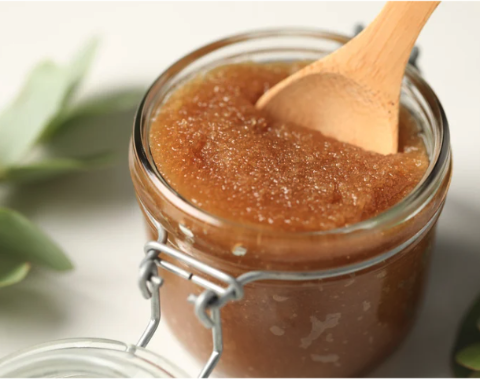
Ingredients
-
- 8 oz container
- ½ cup coarse sugar or Epsom salt
- ½ cup fine sugar
- 2 ½ oz Almond Prunus amygdalus var dulcis oil
- 2 ½ oz Avocado Persea gratissima oil
- 15 drops Rosemary essential oil Rosmarinus officinalis
- 30 drops Grapefruit essential oil Citrus paradisi
- 20 drops Geranium essential oil Pelargonium graveolens
- Optional: 6 drops Vitamin E
Invigorating Body Scrub Steps
-
- Measure out the fine and coarse sugar into a bowl.
- Mix the carrier oils together in another container.
- Add the essential oils to carrier oils.
- If desired, add the vitamin E to the oils and mix well.
- Add the oil blend to the salt a little at a time. Mix with a fork, whisk, or by hand. Evenly distribute the oil throughout the salt.
- The consistency should be like wet sand; it will stick together when squeezed but will fall apart when manipulated.
- Once thoroughly mixed and you have reached your desired consistency, spoon it into a container and seal it.
- Label and store tightly sealed away from light and heat.
General Use
Use a spoon or spatula to portion out 1–2 tbsp of salt scrub to apply to the body while in the shower. Rub across the skin with light pressure, allowing the salt to do the exfoliation. Rinse well. It can be used two or three times a week. Avoid using on irritated or compromised skin. Not for the face. Avoid reaching in with wet fingers.
Why It Works
Gentle exfoliation combined with energizing essential oils promotes circulation and skin renewal.
4. Healing Herbal Ointment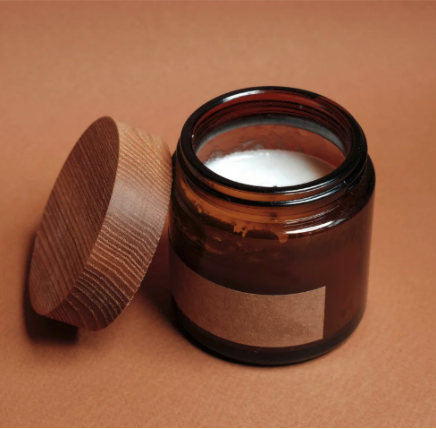
Ingredients
-
- 4 oz container
- 1 ½ oz St John’s Wort Hypericum perforatum
- 1 ½ oz infused Almond Prunus amygdalus var dulcis oil
- 1 ½ oz Calendula Calendula officinalis infused Apricot Kernel Prunus armeniaca oil
- ½ oz Shea butter or lanolin
- ½ – 1 oz Beeswax or candelilla wax
- 20 drops Lavender essential oil Lavandula angustifolia
- 30 drops Cedarwood Virginia essential oil Juniperus virginiana
- 10 drops Tea tree essential oil Melaleuca alternifolia
Healing Ointment Steps
-
- Warm the shea butter/lanolin in a double boiler to 85°F.
- Mix the essential oils in a small container so they are blended.
- Once melted, add ½ oz of beeswax/candelilla wax.
- Reduce the heat and add the infused oils and stir well.
- Check the consistency by dipping the tip of a spoon into the mix and then placing the spoon into the freezer for 5 minutes. If the consistency is too thin, add more beeswax and check again.
- Once the ointment reaches your desired consistency, remove from heat and continue stirring.
- Add the essential oil blend to the carrier oil blend and stir vigorously.
- Pour into the container and put in the fridge to cool.
- Label and store tightly sealed away from light and heat.
General Use
Apply a small amount of the ointment to scratches, bites, and small wounds. Cover with sterile gauze. Use 2–3 times a day.
Why It Works
Herbal infusions and antimicrobial essential oils support skin repair and protection.
Final Thoughts on Aromatherapy Formulation
 Effective aromatherapy formulation relies on thoughtful ingredient selection, proper dilution, and an understanding of product chemistry. By combining carrier oils, infused oils, and essential oils with intention, you can create topical products that are both safe and deeply supportive of skin health and well-being.
Learn more ways to safely incorporate essential oils into your daily life. Explore Aromatherapy and Herbal Medicine programs at ACHS today!
This content is for educational purposes only and is not intended to be medical advice. Always use herbs and essential oils with caution and keep out of reach of children. Use particular caution when pregnant or nursing. Always check contraindications and think safety first! The statements herein have not been evaluated by the FDA. Products are not intended to diagnose, treat, cure, or prevent disease.