At American College of Healthcare Sciences (ACHS), sustainability is not treated as a standalone initiative or a marketing phrase. It is woven into how students learn about botanicals, how ingredients are sourced, and how partnerships are built across the wellness industry.
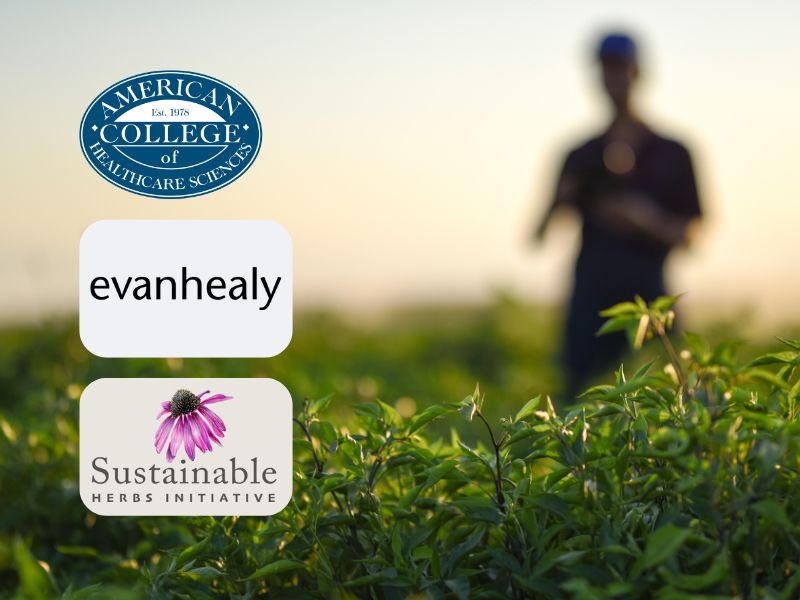
That shared commitment recently came to life through a collaboration between evanhealy, ACHS, and the Sustainable Herbs Initiative.
The collaboration centers around the newly launched evanhealy Rose Body Oil, which features rose otto and Buddha wood essential oils sourced through ACHS. More importantly, it reflects how mission-aligned organizations can work together to support ethical sourcing, ingredient transparency, regenerative agriculture, and consumer education within the wellness industry.
A Shared Commitment to Ethical Botanical Sourcing
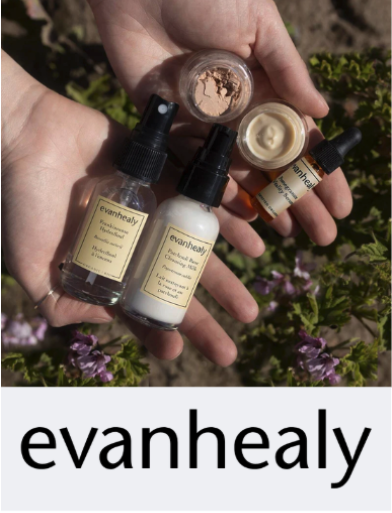 Founded in 1999, evanhealy has built its reputation around certified organic skincare, small-farm partnerships, and regenerative ingredient sourcing. The company is recognized as the world’s first Regenerative Organic Certified® beauty brand and has long emphasized transparency throughout its supply chain.
ACHS shares many of those same priorities through its integrative health curriculum, botanical sourcing standards, and sustainability initiatives. Both organizations also participate in the Sustainable Herbs Initiative (SHI), an international collaborative network focused on improving ecological stewardship, responsible trade practices, and transparency within the herbal and botanical products industry.
Rather than viewing sourcing as an invisible step in product manufacturing, all three organizations recognize that consumers increasingly want to understand:
- Where ingredients come from
- How botanicals are cultivated and harvested
- Whether sourcing practices support environmental sustainability
- How companies contribute to ethical and regenerative supply chains
This collaboration emerged naturally from those shared values.
The Role of the Sustainable Herbs Initiative
 The Sustainable Herbs Initiative brings together herbalists, educators, researchers, farmers, ingredient suppliers, and wellness brands working toward a more transparent and environmentally responsible botanical industry.
For ACHS students studying aromatherapy, herbal medicine, integrative health, and wellness, these conversations are already part of the educational experience. Coursework explores:
- Sustainable harvesting practices
- Botanical conservation concerns
- Ethical trade and sourcing systems
- Ingredient traceability
- Supply chain transparency
- Regenerative agriculture concepts
This collaboration offers a real-world example of those principles in practice.
Where Education and Industry Connect
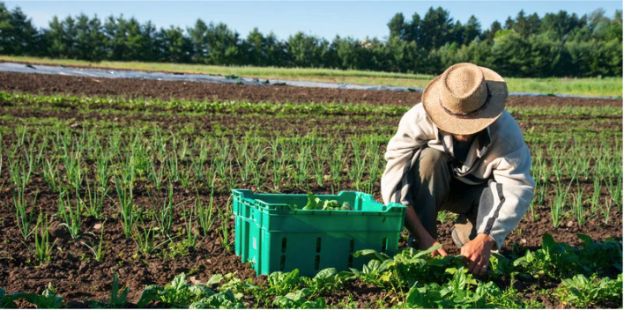
The rose otto and buddha wood essential oils used in the evanhealy Rose Body Oil were sourced through ACHS and incorporated into a finished consumer wellness product.
For ACHS, this represents more than ingredient sourcing. It demonstrates how an accredited online integrative health institution can actively participate in conversations shaping the future of ethical wellness manufacturing and botanical stewardship.
For students and alumni, the collaboration creates a visible connection between classroom learning and industry application.
Instead of studying sustainability only in theory, students can now see how sourcing decisions directly influence product formulation, ingredient integrity, and consumer trust.
The Botanicals Behind the Collaboration
Rose Otto Essential Oil
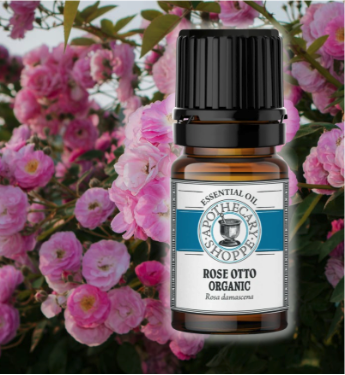 Rose Otto Rosa × damascena Essential Oil is one of the most valued essential oils used in aromatherapy and natural skincare. Steam-distilled from thousands of hand-harvested rose petals, the oil is known for its rich floral aroma and longstanding use in wellness and skincare rituals.
Because rose otto production requires extensive labor and agricultural resources, transparent and responsible sourcing practices are especially important.
Buddha Wood Essential Oil
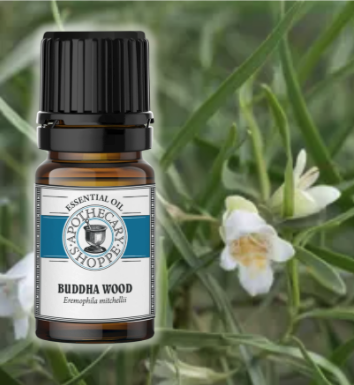 Buddha Wood Eremophila mitchellii Essential Oil is an Australian botanical recognized for its grounding, woody aroma profile. In aromatherapy applications, it is often incorporated into formulations designed to support calm and balance.
Combined with rose otto, the result is a blend that feels both floral and earthy while highlighting the complexity of thoughtfully sourced botanicals.
About the evanhealy Rose Body Oil
The evanhealy Rose Body Oil combines rose otto and buddha wood with a nourishing base of sesame, olive, jojoba, and pomegranate seed oils.
According to evanhealy, the formulation was intentionally created as a restorative body ritual that encourages moments of presence and connection. Applied to damp skin after bathing, the oil is designed to support hydration while offering a calming sensory experience.
The collaboration reflects a broader movement within the wellness and skincare industries toward products that prioritize transparency, sustainability, and responsible ingredient sourcing alongside formulation quality.
What Ethical Sourcing Looks Like in Practice
The wellness industry frequently discusses sustainability, but meaningful transparency requires operational decisions that support those values throughout the supply chain.
 This collaboration highlights several practical examples:
- Ingredient traceability
- Shared sustainability standards
- Responsible botanical sourcing
- Cross-industry collaboration
- Educational integration around supply chain ethics
- Support for regenerative and environmentally conscious agriculture
It also demonstrates how partnerships between educational institutions, wellness brands, and sustainability organizations can help advance broader conversations around botanical stewardship.
Why This Matters for the Future of Wellness
 Consumers are asking more questions about the products they purchase. They want to understand not only what ingredients are included, but also:
- Where those ingredients originated
- Whether growers and producers are supported ethically
- How products impact ecosystems and communities
- Whether brands align with their personal values
As demand for transparency continues to grow across aromatherapy, herbal medicine, skincare, and wellness industries, collaborations like this may become increasingly important.
For ACHS students and alumni entering the wellness field, these conversations are already shaping the future of the profession.
Frequently Asked Questions
What organizations were involved in this collaboration?
The collaboration includes American College of Healthcare Sciences (ACHS), evanhealy, and the Sustainable Herbs Initiative.
What is the Sustainable Herbs Initiative?
The Sustainable Herbs Initiative is a collaborative network focused on improving transparency, ecological stewardship, and ethical sourcing practices throughout the botanical supply chain.
What ingredients from ACHS were used in the Rose Body Oil?
The formulation includes rose otto (Rosa damascena) and buddha wood (Eremophila mitchellii) essential oils sourced through ACHS.
Is evanhealy a certified organic skincare company?
Yes. evanhealy is a USDA-certified organic skincare company and the world’s first Regenerative Organic Certified® beauty brand.
Why does ethical sourcing matter in aromatherapy and herbal products?
Ethical sourcing supports environmental stewardship, ingredient transparency, responsible harvesting practices, and long-term sustainability within the botanical products industry.
This content is for educational purposes only and is not intended to be medical advice. Always use herbs and essential oils with caution and keep out of reach of children. Use particular caution when pregnant or nursing. Always check contraindications and think safety first! The statements herein have not been evaluated by the FDA. Products are not intended to diagnose, treat, cure, or prevent disease.