

Reviewed by Dr. Patricia Kaufman, ACHS Dean of Integrative Health and Nutrition
In our chronically busy lives, eating often becomes automatic, something we do while multitasking, scrolling, or rushing between commitments. Yet the simple act of eating holds powerful potential to support mental and emotional well-being. Mindful eating, rooted in both holistic nutrition and integrative mental health, invites us to slow down, tune in, and transform meals into moments of nourishment for both body and mind.
Holistic nutrition principles emphasize that food is more than fuel. It is information for the body, a regulator of mood, and a meaningful entry point into whole-person wellness.
What Is Mindful Eating?
Mindful eating is the practice of bringing full, nonjudgmental awareness to the experience of eating. Rather than focusing only on what we eat, mindful eating emphasizes how and why we eat.
 Key elements include:
- Paying attention to hunger and fullness cues
- Engaging the senses during meals
- Noticing emotional triggers around food
- Eating without distraction
- Cultivating gratitude for food and nourishment
This practice draws from mindfulness traditions while aligning closely with holistic nutrition principles that honor the interconnectedness of body, mind, and environment.
The Mental Health Connection
Emerging research in integrative mental health highlights the bidirectional relationship between nutrition and psychological well-being. Mindful eating supports mental health through several mechanisms.
1. Nervous System Regulation
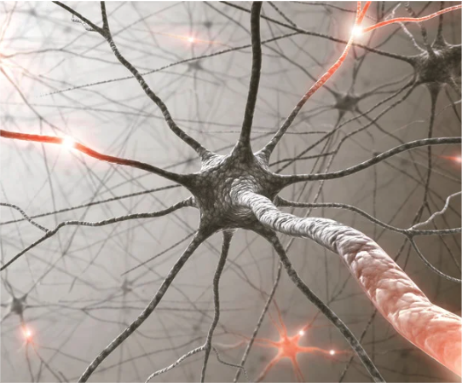 When we eat in a rushed or stressed state, the body remains in sympathetic (“fight-or-flight”) mode, which can impair digestion and increase cortisol levels. Mindful eating encourages a parasympathetic (“rest-and-digest”) state, supporting both digestive efficiency and emotional regulation.1
Slow, attentive eating can support:
- Stress reactivity
- Digestive comfort
- Nutrient absorption
This physiological shift reinforces the holistic principle that how we eat influences how we feel.
2. Improved Emotional Awareness
Mindful eating helps distinguish between physical hunger, emotional hunger, and habitual or environmental eating. By pausing and noticing internal cues, we often develop greater emotional literacy. This awareness is foundational in integrative mental health, where recognizing patterns is often the first step toward sustainable behavior change.2
Over time, mindful eating may help reduce:
- Stress eating
- Mindless snacking
- Guilt–restriction cycles
- Emotional reactivity around food
3. Support for the Gut–Brain Axis
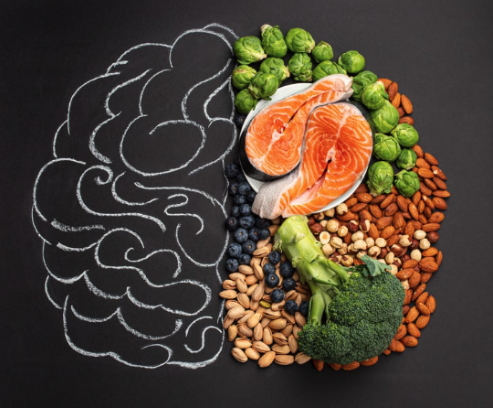 Holistic nutrition emphasizes the gut–brain connection as a cornerstone of mental wellness. Eating mindfully may support this axis in multiple ways, such as:
- Enhanced digestive enzyme activity
- Support of microbiome balance
- Improved meal satisfaction and satiety
- Reduced stress-related digestive disruption
When digestion improves, the body is better able to access nutrients involved in neurotransmitter production, including those involved in the serotonin (supports mood balance and feelings of wellbeing), GABA (promotes relaxation and helps calm the nervous system), dopamine (supports motivation, reward, and focus), and acetylcholine (supports memory, learning, and cognitive function) pathways.3
Practical Mindful Eating Techniques
Incorporating mindful eating does not require perfection or lengthy meditation. Small, consistent shifts can create meaningful change that can have a positive effect on your mental well-being.
The One-Breath Pause
Before eating, take one slow breath and ask:
- Am I physically hungry?
- What does my body need right now?
 This brief pause can interrupt autopilot eating patterns and re-engage body awareness.
The Five-Senses Check-In
During the first few bites, notice:
- Appearance
- Aroma
- Texture
- Flavor
- Temperature
Engaging the senses increases meal satisfaction and promotes presence.
The Chew and Slow Practice
Digestion begins in the mouth. Taking time to chew thoroughly helps mechanically break down food and allows digestive enzymes in saliva to begin the process of nutrient breakdown. Slowing down and chewing intentionally also naturally encourages mindfulness, helping the body better recognize fullness signals and improving the potential for nutrient absorption.
The Mid-Meal Awareness Moment
Halfway through a meal, pause and assess fullness on a scale of 1–10. This supports interoceptive awareness and helps rebuild trust with hunger and satiety signals.
The Distraction Audit
Try eating at least one meal per day without:
- Phones
- Computers
- Television
- Multitasking
Even one distraction-free meal daily can significantly improve eating awareness.
The Social Table
 Mindful eating does not have to happen alone. Sharing meals with others can support emotional well-being and deepen the experience of nourishment. Research suggests that mindful eating skills, such as sensory attention and non-judgmental awareness, are associated with greater self-compassion and reduced feelings of isolation. Supportive social meals can reinforce these benefits, creating space for connection, presence, and a more positive relationship with food.
The Future of Food and Mental Wellness
As research in integrative mental health continues to evolve, mindful eating stands out as a low-cost, accessible, and deeply human intervention. It bridges the gap between knowledge and embodiment—between knowing what supports health and actually experiencing nourishment.
In a culture that often encourages speed and distraction, mindful eating is a quiet but powerful act of self-regulation and self-respect.
Interested in advancing your education in holistic nutrition or integrative health? Explore ACHS programs to deepen your skills in evidence-informed, whole-person care.
Explore All Holistic Nutrition Programs
Course: Holistic Support for Mental Wellness: Holistic Nutrition
Explore Integrative Health Programs
References:
- Cherpak C. E. (2019). Mindful Eating: A Review Of How The Stress-Digestion-Mindfulness Triad May Modulate And Improve Gastrointestinal And Digestive Function. Integrative medicine (Encinitas, Calif.), 18(4), 48–53. https://pubmed.ncbi.nlm.nih.gov/32549835/
- Tapper K. (2022). Mindful eating: what we know so far. Nutrition bulletin, 47(2), 168–185. https://doi.org/10.1111/nbu.12559
- Chen, Y., Xu, J., & Chen, Y. (2021). Regulation of Neurotransmitters by the Gut Microbiota and Effects on Cognition in Neurological Disorders. Nutrients, 13(6), 2099. https://doi.org/10.3390/nu13062099
This content is for educational purposes only and is not intended to be medical advice. It is not intended to treat, diagnose, cure, or prevent disease. This article has not been reviewed by the FDA. Always consult with your primary care physician or naturopathic doctor before making any significant changes to your health and wellness routine.