
Why Your Essential Oils, Herbs, and Produce Need to Be Organic
By Dorene Petersen, BA, Dip.NT, RH(AHG), Founding President of the American College of Healthcare Sciences | March 2026
A major new UCLA study has just confirmed what researchers have known for decades and what mainstream media is only now catching up to: long-term exposure to chlorpyrifos, one of the most widely used pesticides in American agriculture, is linked to more than a 2.5-fold increase in the risk of Parkinson’s disease. The research, published in the peer-reviewed journal Molecular Neurodegeneration, followed 829 people with Parkinson’s and 824 without over a 45-year period. It is, as UCLA neurologist Dr. Jeff Bronstein put it, not just an association — the animal experiments showed the biological mechanism, providing compelling evidence of a causal link. The study was widely covered across mainstream and scientific media, including ScienceDaily, Science Alert, Medical Express, and Fox News.
It is not, sadly, a surprise. But it is a wake-up call. And it does not stop at the dinner table.

Pesticides Don’t Stop at the Dinner Table
Most of us have heard the message about organic food. But here’s what doesn’t get said nearly enough: if you use essential oils, herbal supplements, or even apply topical products containing plant extracts, pesticide exposure is still very much on the table. Or rather on your skin, in your lungs, and in your bloodstream.
The skin is the body’s largest organ, and it is highly permeable. Compounds applied topically, including pesticide residues in any essential oil, organic certified or not, do not simply sit on the surface. They are absorbed transdermally into the systemic circulation. This is, in fact, why essential oil therapy works at all: the aromatic molecules reach the bloodstream and can cross the blood-brain barrier. That is also precisely why we cannot afford to be cavalier about what comes along for the ride.
And if you inhale essential oils? The pathway is even more direct. Inhaled molecules travel through the olfactory nerve and respiratory tract directly into the bloodstream, bypassing the digestive system’s partial filtration entirely. When you diffuse an untested oil in your home, you are inhaling whatever is in that bottle, including therapeutic molecules and pesticide residues.
Are Pesticides Found in Essential Oils?
Yes, and the data from the essential oil industry’s own research makes that uncomfortably clear. My commitment to pesticide-free essential oils goes back many years and was further reinforced when I attended the International Federation of Essential Oil and Aroma Trades (IFEAT) Conference in Rome in 2014, where pesticide contamination in essential oils dominated three full sessions. Dr. Jasmin Peschke’s findings confirmed what I already believed and strengthened my resolve. Dr. Peschke, head of Quality Management at Weleda, a company with more than 90 years of commitment to organic, presented data from the European Pharmacopeia expert group, which had been testing essential oil samples since 2006. Of 589 samples representing 28 different essential oils, 47% contained at least one positive pesticide result, and 1,150 test results showed contamination with more than one pesticide.
Some specific findings that caught my attention:
- 65 samples of Neroli oil showed 199 positive pesticide findings — 77 of which exceeded maximum residue levels, including the notorious chlorpyrifos-ethyl (the same pesticide now headline news for its Parkinson’s link)
- 49 samples of Rosemary oil showed 15 exceeding the maximum level of biphenyl — a citrus peel treatment agent. How does biphenyl, banned in Europe, get into rosemary? Through shared manufacturing equipment and packaging. That tells you everything about the invisible contamination pathways in this industry.
- Cold-pressed citrus essential oils showed the highest contamination rates of all — because pesticides concentrate in the peel, and cold pressing captures that.
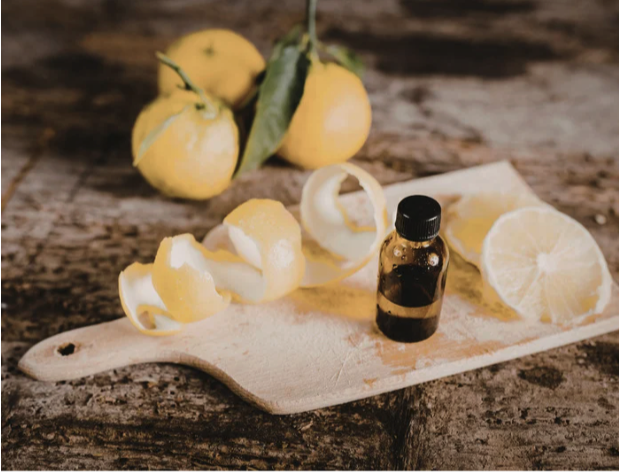
Even certified organic oils were not always clean. Don’t rely on certified organic alone. Passive contamination from wind drift off neighboring fields, water runoff, and even improper storage equipment can introduce residues into oils that were never intentionally treated. The message: certification matters, but only testing tells you what is actually in the bottle.
Our own third-party lab reports and internal tracking data at ACHS, going back to 2018, tell exactly this story. Across oils tested from Egypt, Bulgaria, Spain, France, Sri Lanka, China, and Nepal, we have found pesticide residues in certified organic oils from every region. Chlorpyrifos, the same compound now in the headlines for its Parkinson’s link, and banned in the EU since January 2020, has appeared in certified organic Geranium from Egypt, organic Garlic from Egypt, organic Basil from Egypt, non-organic Anise from Egypt, Rose Attar from Bulgaria, and multiple Roman Chamomile samples from Nepal. Certified organic Cypress from Spain tested positive for Tebuconazole. Certified organic Eucalyptus from China tested positive for o-Phenylphenol. Certified organic Clary Sage from Egypt contained Thiobencarb, a herbicide not approved for use in the EU.
The pattern is unmistakable: the organic certificate tells you how the farmer intended to grow the plant. It does not tell you what is actually in the bottle. Only a third-party laboratory test does that.
At ACHS and the Apothecary Shoppe, we have held a zero-tolerance policy for pesticide residues in essential oils for many years. Zero. Not ‘within regulatory limits.’ Zero. Our own testing tells exactly this story. View our 2025 PAL (Pacific Agricultural Laboratory) pesticide report on our Ginger (Zingiber officinale) essential oil. Out of hundreds of analytes screened, the report detected two pesticide residues: Chlorpyrifos — the organophosphate linked to Parkinson’s disease discussed throughout this article — at 1.2 mg/kg, and Mefenoxam at 2.1 mg/kg. Mefenoxam is a systemic fungicide that has shown liver toxicity in animal studies and is suspected to act as an endocrine disruptor — concerns that are compounded in a concentrated extract like essential oil. We rejected that batch. Contrast that with our most recent Sweet Orange test, conducted by Pacific Agricultural Laboratory in February 2026 — a cold-pressed citrus oil, the highest-risk category of all. Over 200 compounds tested. Every single one came back ND — not detected. Same rigorous standard, two very different outcomes. That is what zero tolerance looks like in practice. It does not happen by accident. It happens because we test every batch before we purchase.
The Parkinson’s Connection: What the New Research Means
 Let’s talk specifically about chlorpyrifos, because it deserves to be named clearly and because the link between pesticides and Parkinson’s disease has never been more directly established.
The new UCLA study found that people with long-term residential exposure to chlorpyrifos had more than 2.5 times the risk of developing Parkinson’s disease compared to those with little or no exposure. Animal experiments showed that inhaled chlorpyrifos, yes, inhaled, in methods that mimic how humans actually encounter it, caused loss of dopamine-producing neurons, brain inflammation, and accumulation of alpha-synuclein, the protein that forms the toxic brain clumps known as Lewy bodies, a hallmark of Parkinson’s disease.
The study also tested on zebrafish to identify the precise cellular mechanism of damage. You may wonder why they chose zebrafish. They are a small freshwater fish widely used in biomedical research because their genetics are surprisingly similar to humans, and their embryos are transparent, allowing researchers to watch what is happening inside living cells in real time. The zebrafish experiments revealed that chlorpyrifos disrupts autophagy, the cellular ‘cleanup system’ that clears damaged proteins from neurons. When that system is compromised, harmful proteins accumulate. Neurons die. This is Parkinson’s at the cellular level.
Dr. Bronstein’s advice was direct: “People should avoid exposure by not using [chlorpyrifos] in their home, eating organics, and washing vegetables before eating them.”
This Is Not New Science
What is striking and sobering is that this is not new science. Tiffany Rodriguez, BS, PhD, Chief Academic Officer at ACHS, knows this firsthand. Her dissertation research, more than 20 years ago, focused on Parkinson’s disease patients. As she noted when this study crossed her desk:
“At that time, the connection between pesticide exposure and Parkinson’s disease had already been well documented in the scientific literature for decades. This serves as a reminder that important research findings often take years to gain broader public attention.” Tiffany Rodriguez, Chief Academic Officer at ACHS
The seminal research was there decades ago. Langston et al., published in Science in 1983, and Hertzman et al., published in the American Journal of Industrial Medicine in 1990, were already documenting the occupational and environmental risk factors linking pesticide exposure to Parkinson’s disease. The UCLA study making headlines last week is the latest confirmation of what researchers have known for a generation, and it is exactly why those of us working in evidence-based natural health cannot afford to wait for the headlines to catch up.
Chlorpyrifos is not just a farming chemical you encounter in fields; it is found in the food we eat daily, in residue form on soybeans, fruit and nut trees, broccoli, cauliflower, and other row crops, staple items in most people’s grocery carts. Its residential use was banned in 2001, agricultural use restricted in 2021, but those restrictions have been contested in court, and the EPA is still in the process of finalizing its revised risk assessment. Chlorpyrifos, in other words, is still very much in our food system.
And given what we know about essential oil pesticide contamination — and our Neroli data specifically showing chlorpyrifos-ethyl above maximum residue levels — it is not a stretch to say that your aromatherapy practice may also be a source of exposure, if you are not using pesticide-free essential oils.
The Political Elephant in the Room: Roundup, Trump, and RFK Jr.
 I would be remiss not to address the extraordinary political context swirling around pesticides right now. On February 18, 2026, President Trump signed an executive order invoking the Defense Production Act to protect domestic production of glyphosate-based herbicides, the active ingredient in Roundup, citing national security and food supply chain concerns. The order also potentially shields domestic manufacturers from liability related to health claims, and this came the day after Bayer (Roundup’s maker since it acquired Monsanto in 2018) announced a $7.25 billion class settlement for tens of thousands of cancer-related lawsuits.
It is worth understanding what the actual defense argument is, because it is not quite what the headlines suggest. The genuine military rationale is about elemental phosphorus, a mineral used in munitions, smoke and illumination devices, semiconductors, radar systems, and lithium-ion batteries for weapons systems. Phosphorus also happens to be the key precursor ingredient for making glyphosate. The US has only one domestic producer and imports more than 13 million pounds of elemental phosphorus annually, leaving that supply chain vulnerable to hostile foreign actors. Glyphosate gets pulled into the national security argument largely because it rides on the phosphorus supply chain, not because Roundup itself is a defense material.
For context: in 2015, the World Health Organization classified glyphosate as a probable carcinogen. Multiple studies have linked it to non-Hodgkin’s lymphoma. A widely-cited study suggesting it was safe was retracted in 2025 after reports that Monsanto helped draft it.
RFK Jr., who as an attorney helped win a landmark Roundup cancer lawsuit in 2018 and who said as recently as early 2026 that he believes glyphosate causes cancer, came out supporting the executive order, citing national security and farm dependency on the chemical. He acknowledged that the nation is ‘dependent upon something that we know makes us sick’ and said his agency is ‘doing a lot of work’ to find alternatives.
The timing is worth noting plainly: on the same day that Fox News was running a story about a common pesticide more than doubling Parkinson’s risk, the policy direction in Washington is to protect and expand production of that class of chemicals.
This is exactly why we do not wait for regulators to tell us what is safe. At the Apothecary Shoppe, we test every essential oil sample prior to purchasing for pesticides. Zero tolerance.
The 2026 Dirty Dozen: Where Pesticide Exposure Hits Hardest
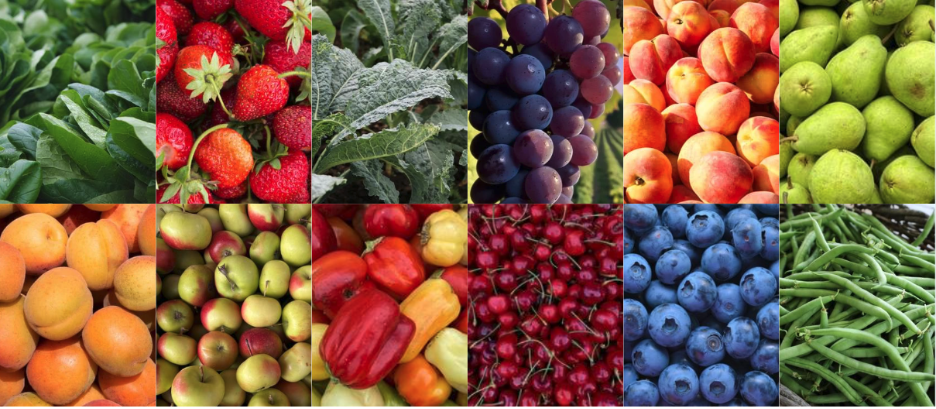
Dr. Bronstein’s advice to ‘eat organics and wash fruits and vegetables before eating them’ brings us directly to the question of organic vs conventional produce and what we are actually eating. Every year, the Environmental Working Group identifies the produce carrying the highest pesticide loads, and the 2026 Dirty Dozen list, just released, shows the problem is not getting smaller.
Spinach has moved to the #1 position this year, with strawberries dropping to second. Two newcomers joined the list: blackberries and potatoes.
This is the must-buy-organic list of produce items where conventional farming creates the highest pesticide residue loads, and where paying the organic premium makes the most meaningful difference for your health:
- Spinach — Moved to #1. Tests found high residue on conventional spinach. A staple green that many people eat daily and in volume — go organic, always.
- Strawberries — 96% of samples showed pesticide residues; some samples carried more than 50 different pesticides. One of the most chemically intensive crops grown.
- Kale, Collard & Mustard Greens — Consistently high. These nutritional powerhouses are worth every penny organic.
- Grapes — 96% of samples with residues. Includes imported grapes treated with pesticides banned in the US.
- Peaches — Thin-skinned stone fruit with historically high contamination.
- Pears — Imported pears, in particular, treated with pesticides banned domestically.
- Nectarines — Similar profile to peaches; thin skin, high residue.
- Apples — A perennial on the list. The go-to snack food for children deserves the organic label.
- Bell Peppers & Hot Peppers — Multiple insecticides detected; some found at unusually high concentrations.
- Cherries — High residue stone fruit; every sample carries detectable pesticides.
- Blueberries — A relatively newer arrival on the list. The antioxidant berry is increasingly grown under intensive chemical regimes.
- Green Beans — Particularly high in organophosphates and other insecticides.
New additions to watch: Blackberries were tested by the USDA for the first time in 2023, with 93% of samples showing detectable pesticides — including cypermethrin (classified by the EPA as a possible human carcinogen) on more than half of the samples. Potatoes, the most consumed vegetable in the US, joined the list with frequent detections of chlorpropham — a sprouting inhibitor banned in the European Union.
Beyond Food: Extend the Organic Standard to Your Oils and Herbs
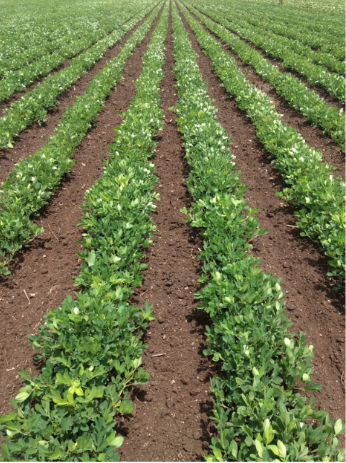
Essential oil safety starts with knowing what is actually in the bottle. If you would not eat a non-organic strawberry without consideration, why would you apply a non-tested essential oil to your skin or diffuse it in your home?
The same plants that end up on the Dirty Dozen, flowers, herbs, citrus peels, and roots, are the source materials for essential oils and botanical extracts. The same pesticide-intensive agriculture that produces contaminated conventional produce produces contaminated conventional botanical material.
Most consumers cannot send their oils to an analytical laboratory for pesticide screening, and they should not have to. That responsibility belongs to your supplier — and we do exactly that. What you can do is choose brands that take it seriously.
Here is what that looks like in practice:
- Buy from companies that can provide current, batch-specific pesticide screening results upon request — not just a blanket organic certificate. Certificates tell you how the plant was grown. Analytical data tells you what is actually in the bottle.
- Look for the words “pesticide-free” or “pesticide tested” on the label or website — and then verify that the claim is backed by third-party laboratory reports, not just a supplier’s assurance.
- Certified organic is a meaningful starting point, but as the European Pharmacopeia research and ACHS third-party testing show, even organic oils can carry residues from passive contamination. Certification plus testing is the gold standard.
- Cold-pressed citrus oils (bergamot, lemon, lime, grapefruit, orange) carry the highest contamination risk of any category. If a brand cannot show you pesticide data for these, choose a different brand.
- Neroli, jasmine, and rose absolutes are frequently produced in regions with less stringent pesticide regulation. These are the oils most likely to carry residues you have never heard of — including the chlorpyrifos-ethyl and fipronil our own testing has found at concerning levels.
Herbs and supplements deserve identical scrutiny — this is an area we are actively working to expand our testing into.
The bottom line for consumers: buy pesticide-free essential oils from suppliers who test, and ask to see the data. If a company cannot or will not provide it, that tells you everything you need to know.
What You Can Do Right Now
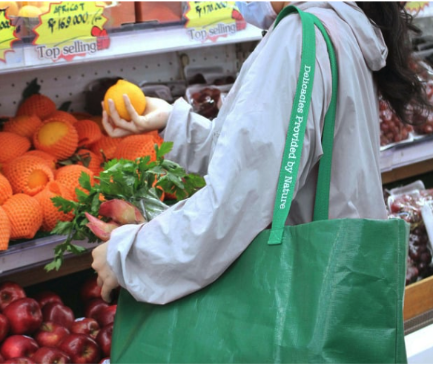
At the grocery store:
- Use the PLU sticker as your quick guide: a 5-digit code starting with 9 = certified organic. A 4-digit code = conventional.
- Prioritize organic for every item on the Dirty Dozen list above, especially for children, pregnant women, and anyone with neurological vulnerability.
- Wash all produce, organic or not, soaking in an iodine solution or grapefruit seed extract is more effective than plain water for surface residues, though no washing method removes systemic pesticides absorbed into the plant itself.
- Consider frozen organic versions of Dirty Dozen items, which are often 30–50% cheaper than fresh organic, and since they are already prepared, washing is not required.
With your essential oils and botanicals:
- Buy pesticide-free essential oils, look for brands that batch-test and publish their results.
- If a supplier cannot show you a third-party pesticide screen, choose one who can.
- Ask the same questions of herbal supplement, tincture, and dried botanical suppliers: can they show you pesticide screening data?
- Remember: for anything applied to skin or inhaled, the bar should be higher than for food, not lower.
We are living through a peculiar moment in which the science on pesticide harm has never been clearer — and the political will to act on that science has perhaps never been more contested. The chlorpyrifos-Parkinson’s study that ran on Fox News is not an outlier. It is one data point in a long and growing body of evidence linking pesticide exposure to neurological disease, cancer, endocrine disruption, and reproductive harm.
I have been teaching aromatherapy and holistic health for decades. The foundational principle has not changed: we cannot heal with what harms. Zero tolerance is not a marketing position. It is a clinical standard. It is what our students learn, and it is what our raw materials must meet.
I will continue to post updates on our pesticide testing protocols and guidance on navigating the essential oil market with confidence. In the meantime — eat your organic vegetables, buy from suppliers who test, and keep asking the hard questions.
— Dorene Petersen
References
- Hasan KMM, Salkic I, Litteljohn D, et al. “The pesticide chlorpyrifos increases the risk of Parkinson’s disease.” Molecular Neurodegeneration. 2025; published online January 2026. https://link.springer.com/article/10.1186/s13024-025-00915-z
- UCLA Health. “Widely used pesticide linked to more than doubled Parkinson’s risk.” January 7, 2026. https://www.uclahealth.org/news/release/widely-used-pesticide-linked-more-doubled-parkinsons-risk
- ScienceDaily. “Common pesticide linked to Parkinson’s disease risk.” March 15, 2026. https://www.sciencedaily.com/releases/2026/03/260315225125.htm
- ScienceAlert. “Common Pesticide Exposure Linked With 2.7x Risk of Parkinson’s Disease.” January 13, 2026. https://www.sciencealert.com/common-pesticide-exposure-linked-with-2-7x-risk-of-parkinsons-disease
- Medical Xpress. Coverage of the UCLA chlorpyrifos/Parkinson’s study. https://medicalxpress.com/
- Fox News. Stabile A. “Parkinson’s risk increases with exposure to common chemical, study suggests.” March 23, 2026. https://www.foxnews.com/health/parkinsons-risk-increases-exposure-common-chemical-study-suggests
- International Federation of Essential Oils and Aroma Trades (IFEAT). Organization site and conference information. https://www.ifeat.org
- European Directorate for the Quality of Medicines & HealthCare (EDQM) / European Pharmacopoeia. https://www.edqm.eu
- Klier B, Knödler M, et al. “Pesticide residues in essential oils: evaluation of a database.” Pharmeuropa Bio & Scientific Notes. 2015. PubMed: https://pubmed.ncbi.nlm.nih.gov/26830163/
- ACHS / Apothecary Shoppe. “2025 PAL (Pacific Agricultural Laboratory) pesticide report on our Ginger (Zingiber officinale) essential oil” https://achs.edu/wp-content/uploads/2026/03/Ginger-29329R-REJECTED-PESTICIDES-FOUND.pdf
- Pacific Agricultural Laboratory. “Sweet Orange test, conducted by Pacific Agricultural Laboratory in February 2026.”https://achs.edu/wp-content/uploads/2026/03/Sweet-Orange-52331R-Pesticide-Test-Results-1.pdf
- Langston JW, Ballard P, Tetrud JW, Irwin I. “Chronic Parkinsonism in humans due to a product of meperidine-analog synthesis.” Science. 1983. https://www.science.org/doi/10.1126/science.6823561
- Hertzman C, Wiens M, Bowering D, Snow B, Calne D. “A case-control study of Parkinson’s disease in a horticultural region of British Columbia.” American Journal of Industrial Medicine. 1990. https://doi.org/10.1002/ajim.4700170204
- U.S. Environmental Protection Agency. “Chlorpyrifos.” https://www.epa.gov/ingredients-used-pesticide-products/chlorpyrifos
- U.S. Environmental Protection Agency. “EPA Update on the Use of the Pesticide Chlorpyrifos on Food.” January 6, 2026. https://www.epa.gov/pesticide-worker-safety/epa-update-use-pesticide-chlorpyrifos-food
- U.S. Environmental Protection Agency. “Frequently Asked Questions about the Current Status of Chlorpyrifos.” September 8, 2025. https://www.epa.gov/ingredients-used-pesticide-products/frequently-asked-questions-about-current-status-chlorpyrifos
- Environmental Working Group. “EWG’s 2026 Shopper’s Guide to Pesticides in Produce™ / Dirty Dozen™.” https://www.ewg.org/foodnews/dirty-dozen.php
- ABC7 / CNN wire. “2026 ‘Dirty Dozen’ produce: Nearly 100% tested positive for pesticides, including ‘forever chemicals.’” March 24, 2026. https://abc7.com/post/2026-dirty-dozen-produce-100-tested-positive-pesticides-including-forever-chemicals/18762912/
- International Fresh Produce Standards Coalition. “PLU Codes.” https://www.ifpsglobal.com/plu-codes