Adapted from a presentation by ACHS graduate Jessica Goss, reviewed and updated by the ACHS academic team in 2026.
In the evolving world of beauty and personal care, there is growing awareness around what we put on our bodies and what happens after those products are applied. Chemically conscious beauty is not just a trend; it is a science-informed approach to health, safety, and sustainability.
This blog explores key concepts in dermal absorption, ingredient safety, silicone use, and sustainable packaging, offering a foundation for more informed choices in both personal care and professional practice.
Understanding Dermal Absorption
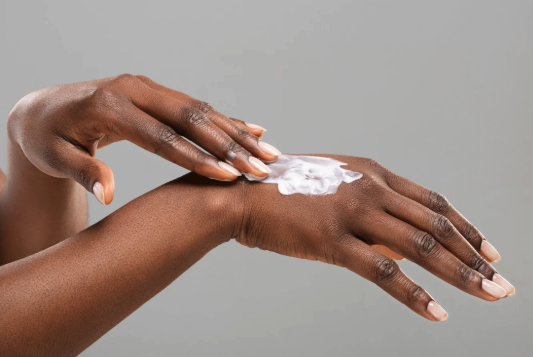 Dermal absorption refers to the transport of chemicals from the outer surface of the skin into both the skin layers and the bloodstream. What makes this particularly important is that exposure often occurs without immediate awareness.
Research shows that for certain chemicals, skin exposure may be one of the most significant routes of entry into the body. Once absorbed, these substances can travel through the bloodstream and impact organs far from the original site of contact.
Common workplace and beauty-related chemicals, such as pesticides or organic solvents, may lead to systemic toxicity when skin barriers are compromised or when repeated exposure occurs.
How chemicals penetrate the skin
The skin’s outermost layer, the stratum corneum, is made up of corneocytes surrounded by lipids (fats, oils, and waxes). Chemicals can enter the body through three primary pathways:
- Intercellular lipid pathway: Chemicals diffuse between corneocytes through lipid-filled spaces.
- Transcellular pathway: Molecules move directly through skin cells (corneocytes).
- Appendageal pathway: Entry occurs through hair follicles and glands, typically a minor route but still relevant for slow-absorbing substances.
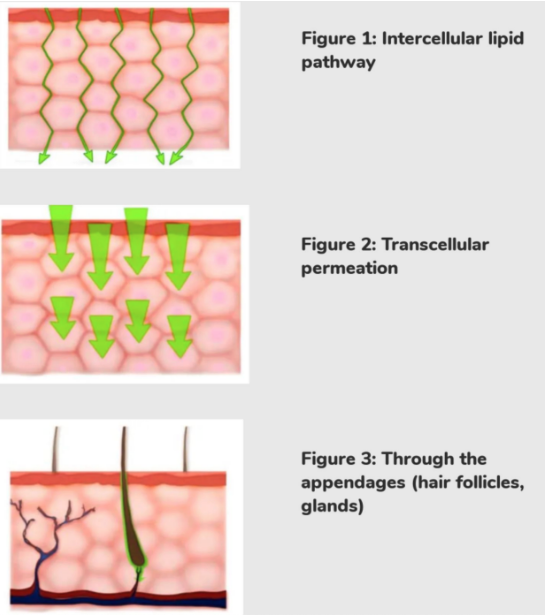
Together, these pathways highlight how easily certain compounds can bypass the skin’s protective barrier under repeated or prolonged exposure.
Ingredients to Be Mindful Of
Chemically conscious beauty involves understanding which ingredients may pose short- or long-term health risks, particularly with repeated exposure.
High-concern ingredients
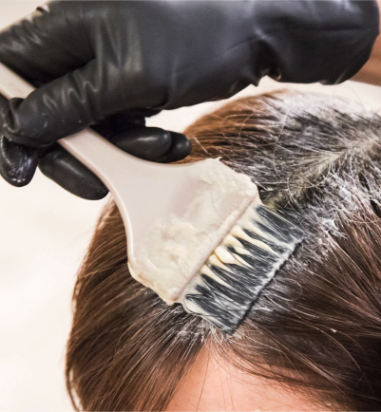
 Toluene (found in nail products, adhesives, and hair dyes)
- Short-term: dizziness, headaches, irritation
- Long-term: liver and kidney damage, reproductive harm
- Cyclopentasiloxane / Cyclomethicone (heat styling products)
- May break down under high heat, potentially releasing harmful compounds
- Associated risks include respiratory irritation and potential long-term toxicity concerns
 2-Butoxyethanol (Ethylene glycol monobutyl ether) (cleaners, disinfectants)
- Short-term: irritation, headaches
- Long-term: reproductive toxicity concerns
- p-Phenylenediamine (PPD) (hair dyes, henna tattoos)
- A common allergen that can cause dermatitis and skin irritation
- Glyceryl thioglycolate (permanent wave solutions)
- Linked to skin irritation and allergic reactions
- Ammonium persulfate (hair bleach)
- Can trigger respiratory irritation and asthma-like symptoms
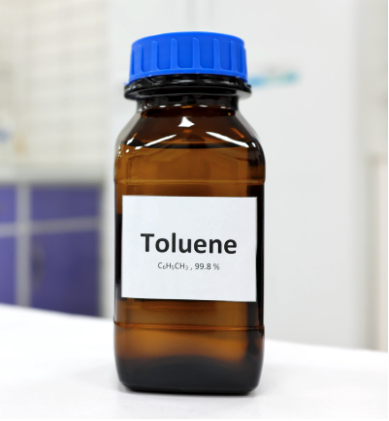 Toluene
 2-Butoxyethanol (Ethylene glycol monobutyl ether)
These substances do not affect everyone equally, but cumulative exposure and sensitivity variability make awareness and precaution essential.
Silicones in Beauty Products
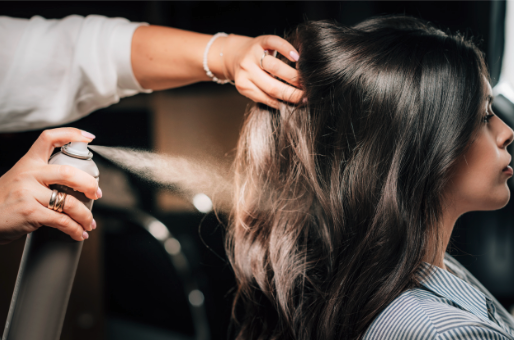 Silicones are widely used in hair and skincare for their smoothing and protective properties. However, not all silicones behave the same way.
Some commonly used silicones, such as dimethicone, cyclomethicone, and amodimethicone, are not water-soluble. These “non-soluble” silicones can:
- Create a barrier that blocks moisture absorption
- Build up on hair and skin over time
- Contribute to dryness or breakage when moisture cannot penetrate effectively
- Interact with heat styling tools to create a “laminating” effect
While silicones are not inherently “bad,” understanding their behavior helps consumers and professionals choose formulations that align with long-term hair and skin health goals.
Fragrance and Hidden Chemical Exposure
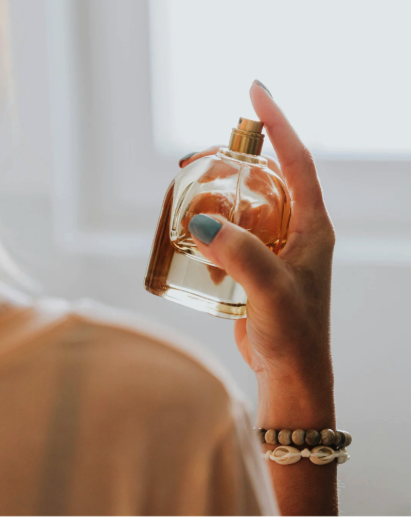 Fragrance mixtures in personal care products often contain complex chemical blends that are not fully disclosed. Research has identified potential concerns related to ingredients such as phthalates, parabens, and other fragrance constituents.
As noted in scientific literature, these compounds may interact with biological systems in ways that affect endocrine, immune, and neurological pathways. While research is ongoing, the complexity of fragrance chemistry highlights the importance of transparency and informed product selection.
Sustainability in Beauty: The Case for Glass Packaging
Sustainability is an essential pillar of chemically conscious beauty, extending beyond ingredients to include packaging choices.
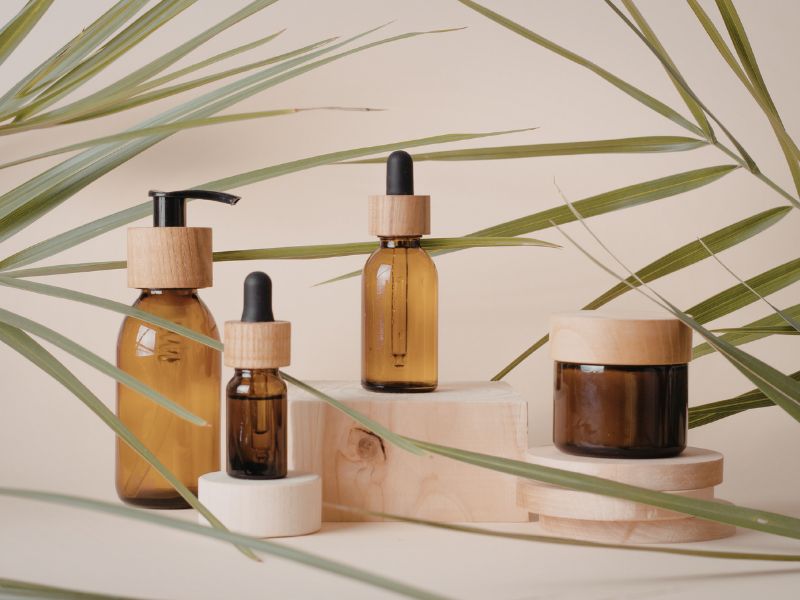
Glass packaging is increasingly recognized as a more sustainable alternative to plastic because it:
- Resists high heat without degrading
- Does not leach chemicals into product formulations
- Preserves product integrity, aroma, and flavor
- Is more readily recyclable compared to many plastics
Beyond packaging innovation, the broader industry impact is significant. It is estimated that U.S. salons alone contribute over 150 million pounds of unrecycled foil, plastic bottles, and chemical waste into landfills and water systems each year.
These figures underscore the importance of rethinking materials, waste streams, and sustainability practices in the beauty and wellness industries.

Moving Toward Chemically Conscious Beauty
Chemically conscious beauty is not about fear; it’s about awareness, education, and intentional choice. By understanding how dermal absorption works, recognizing higher-risk ingredients, evaluating formulation components like silicones, and supporting sustainable packaging solutions, professionals and consumers alike can make more informed decisions.
At ACHS, these principles are integrated throughout our approach to integrative health education, connecting science, sustainability, and holistic wellness
As the beauty industry continues to evolve, informed choices at every level, from formulation to packaging, play a critical role in shaping a healthier, more sustainable future.
Interested in the values behind our education? Learn more about ACHS’s commitment to sustainability and our B Corp certification, and how we integrate environmental responsibility, ethical business practices, and social impact into everything we do.
Ready to deepen your understanding of holistic, science-informed wellness? Explore ACHS’s Integrative Health programs.
References
- CDC. Skin Exposures and Effects. 2019. Retrieved from:
https://www.cdc.gov/niosh/topics/skin/default.html#fig1 - Hudgins, B. The environmental cost of salon ownership. The Ecologist. 20th December 2019. Retrieved from:
https://theecologist.org/2019/dec/20/environmental-cost-salon-ownership - Patel S. (2017). Fragrance compounds: The wolves in sheep’s clothings. Medical hypotheses, 102, 106–111. https://doi.org/10.1016/j.mehy.2017.03.025
- Toxic Chemicals in Salon Products. Womens Voices For the Earth. Retrieved from:
https://www.womensvoices.org/avoid-toxic-chemicals/salon-products/toxic-chemicals-in-salon-products-workers/
This content is for educational purposes only and is not intended to be medical advice. It is not intended to treat, diagnose, cure, or prevent disease. This article has not been reviewed by the FDA. Always consult with your primary care physician or naturopathic doctor before making any significant changes to your health and wellness routine.