Integrative health and nutrition careers continue expanding as healthcare conversations increasingly focus on prevention, healthy aging, lifestyle support, wellness coaching, and personalized integrative health strategies. Students entering the field are looking for flexible online programs that combine evidence-based education with practical career preparation.
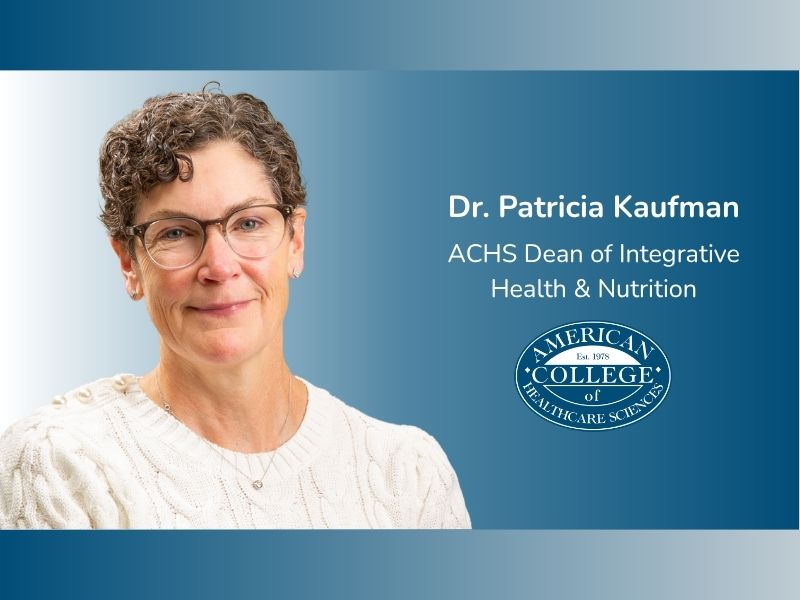
In this interview, Patricia Kaufman, ACHS Dean of Integrative Health and Nutrition, shares insights on integrative nutrition education, wellness career pathways, entrepreneurship, and the future of lifestyle-focused healthcare.
This interview explores integrative nutrition education, wellness coaching careers, lifestyle-focused healthcare, student success, and emerging opportunities in the wellness industry.

Dr. Kaufman’s Background & Path to ACHS
Can you share a little about your background and your role at ACHS?
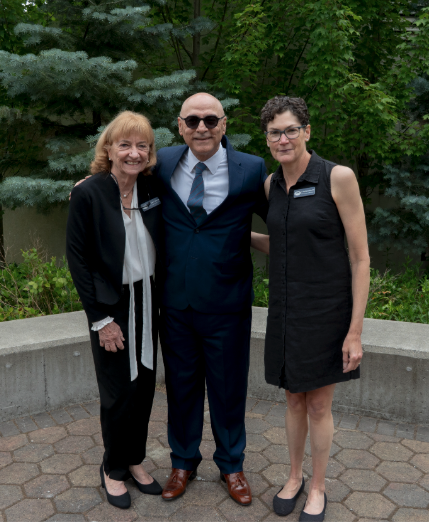 I started at ACHS as a DSC (Doctor of Science in Integrative Health) instructor and dissertation chair, later becoming Dean of Integrative Health after Dr. Janet Ludwig retired. Today I’m Dean of Integrative Health and Nutrition across our undergraduate, master’s, and doctoral programs — leading curriculum design, teaching, and chairing doctoral candidates. I’ve also helped secure program approval for credentialing and remain active in research, including case studies, literature reviews, systematic reviews, and a current observational study.
What first inspired your interest in integrative health and nutrition?
Two personal threads: losing my father to a heart attack after years with type 2 diabetes, which drew me to how nutrition and lifestyle intersect with chronic disease; and being an endurance athlete, which drew me to how those same factors optimize performance. That combination of prevention and performance, not just disease management, is what pulled me into the field.
What originally drew you to ACHS, and what keeps you passionate about the work?
My path started at a school that ACHS later acquired. What’s kept me here is the people — a genuinely passionate, team-oriented culture built around helping students apply what they learn in real-world settings. What keeps me energized is the field’s constant evolution: adapting programs to stay evidence-based, and building new programs around real gaps that students and the industry identify.
The ACHS Student Experience
What makes the ACHS learning experience unique?
Our truly integrative approach makes us unique. Students combine nutrition with aromatherapy, herbal medicine, and broader wellness practices for a fuller toolkit. Programs are online, evidence-based, and taught by faculty actively working in the field, with hands-on labs in essential oils and herbs.
What types of students tend to thrive, and what surprises them?
Self-directed students do best, since our asynchronous, module-based programs require strong time management and genuine passion for the material. Students are often surprised by how in-depth the coursework is compared to what they find online or from influencers. This is rigorous, evidence-based education, not surface-level trends.
How does ACHS combine evidence-based education with holistic wellness principles?
We blend two forms of knowledge: research-driven evidence (, clinical trials, systematic reviews, meta-analyses)) and traditional holistic practices like homeopathy and iridology, grounded in long-standing observation, even where formal clinical evidence is still developing. Students learn to apply strong evidence where it exists and understand traditional practices where it doesn’t, graduating with a well-rounded, integrative perspective.
Industry Insights & Career Pathways
How is integrative nutrition evolving alongside modern healthcare?
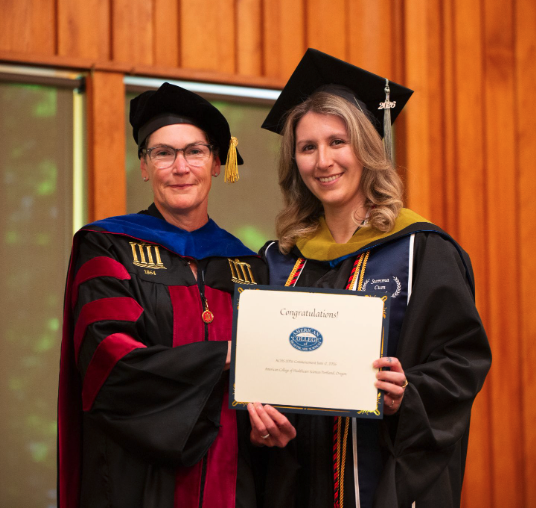 Conventional medicine is shifting from a siloed, organ-by-organ model toward treating the whole person. Cardiometabolic health is a clear example of conditions now treated as interconnected. Government funding for nutrition, herbs, and supplements is growing, alongside attention to sleep, stress, and exercise. The WHO’s focus on social determinants of health is echoed in CDC’s guidance, and lifestyle change benefits ripple out to communities and reduce medical costs.
What trends are shaping wellness coaching and nutrition careers?
ICD-10 codes now exist for health coaches, reflecting their track record on lifestyle adherence. Employer-sponsored wellness programs are expanding rapidly, and coaching around GLP-1 medications, weight loss, and cardiometabolic support is rising. Credentialing is becoming central. NBHWC board certification is increasingly expected for serious clients and corporate contracts, which is why ACHS is proud to offer an NBHWC-approved program.
Why is personalized wellness becoming increasingly important?
There’s no cookie-cutter approach to health. Everyone’s biochemistry, genetics, epigenetics, lifestyle, and environment differ, and social determinants like community and food access shape what’s realistic for each person. Effective strategies have to be tailored to the individual.
What skills and opportunities are emerging in the wellness workforce?
Graduates need more than textbook knowledge: credentials that signal a recognized standard, applied client experience, teamwork across practitioners, and a genuinely holistic perspective. Entrepreneurship skills — attracting and retaining clients, adapting as the field changes, building a referral network — matter for anyone in independent practice. Fast-growing areas include nutrition informatics, corporate wellness, public health nutrition, virtual health, and credentialing, plus entrepreneurial thinking, benefit graduates whether they build their own practice or grow within an organization.

Advice for Students & Future Professionals
What advice would you give someone considering this career, and how can students strengthen their readiness now?
Get educated at an institution known for evidence-based integrative health, get credentialed, and pair that foundation with real applied experience, not just theory. Stay curious, commit to lifelong learning, and don’t chase trends without understanding the evidence behind them. Find your niche early (women’s health, longevity, corporate wellness, chronic disease support, sports nutrition), and start networking and building a portfolio now through internships, volunteer work, or case studies. Seek a mentor in your specific area of interest, get involved in professional associations or student chapters, and think early about which credential or specialization to pursue so your coursework builds toward it. If you’re building your own practice, be patient. Growing a client base takes time.
How important are networking and professional communities in this field?
They are essential because wellness is built on collaboration. Primary care providers, nutritionists, integrative practitioners, and coaches all support the whole person. That collaboration strengthens professional communities and leads to better outcomes for clients and patients.
Looking Ahead
How do you see integrative healthcare and these careers evolving over the next decade?
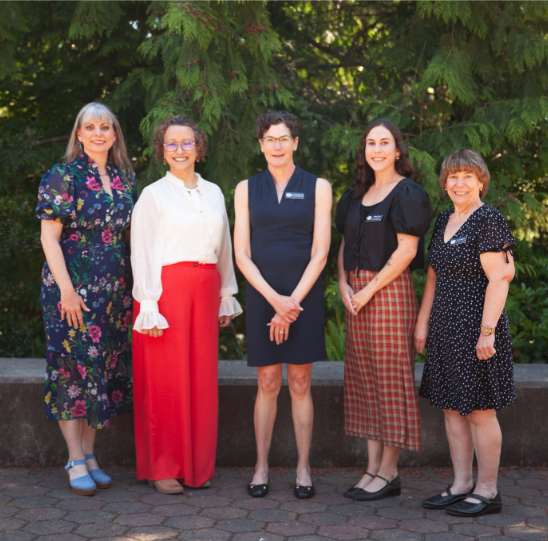 Significant growth and mainstream adoption are ahead. The integrative medicine market is projected to grow from roughly $17 billion in 2026 to over $91 billion by 2035. Healthcare is moving from a reactive, hospital-centered model toward holistic, prevention-focused care, driven by an aging population and rising chronic disease rates, with wearables and technology enabling more personalized recommendations. Nutrition and coaching roles will grow faster than average, and credentials such as NBC-HWC, CNS®, and BCHN® will likely become expected, similar to licensure. Expect deeper specialization (women’s health, longevity, sports nutrition, corporate wellness, GLP-1/weight management), new tech-driven paths in nutrition informatics and telehealth, growing use of nutrigenomics for personalized recommendations, and practitioners becoming more embedded within mainstream healthcare teams rather than working alongside them. More graduates will also build their own practices or hybrid careers.
What excites you most about the future of wellness education?
The evidence base is evolving fast. New research, functional lab testing, and tools let us move beyond simple textbook cases and prepare students for genuinely complex ones, which is quickly becoming the norm.
Quick Wellness Round
What wellness practice do you personally prioritize, and what’s a guiding philosophy?
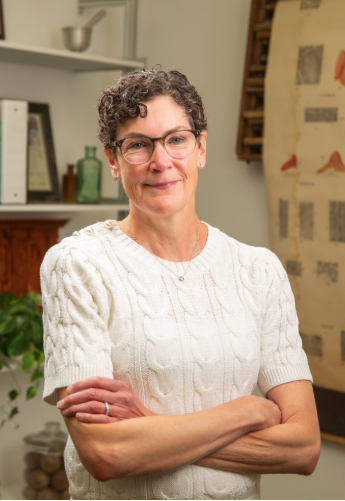 Nutrition, exercise, and sleep are my daily foundations, though I know I need to build more mindfulness and stress management into my routine. My guiding philosophy is treating the whole person and personalizing care rather than fitting people into rigid protocols. Evidence-based practice matters, but knowing how to interpret and apply that evidence thoughtfully is what drives real outcomes. I bring that same philosophy into teaching: I want students to think critically and apply evidence to individualized cases, not default to one-size-fits-all.
Anything fun that students might be surprised to learn about you?
All three of my dogs are named after scientists, which is a small reflection of how much this field shows up in my life outside of work.
If you could give one piece of advice to future ACHS students, what would it be?
Truly engage with the material rather than just checking a box. I have a mild form of dyslexia myself, and it taught me that struggling with something doesn’t mean you’re not capable — it just means you may need a different approach or more time, and that’s okay. Use AI responsibly, as a tool that supports your thinking rather than replaces it. Push past your comfort zone, since that’s usually where real growth happens, and know ACHS is here to support you every step of the way.
Explore Integrative Health & Holistic Nutrition at ACHS
Ready to explore career pathways in integrative health and wellness or holistic nutrition? Learn more about ACHS online degree and certificate programs, student support services, and career resources at ACHS.edu.