

Your Journey in Integrative Mental Health Starts Here
ACHS’s integrative mental health programs take a whole-person, systems-based approach to mental well-being, recognizing that the biological, emotional, social, and environmental factors that shape mental health work together.
Students build knowledge and skills across integrative mental health, including:
- Integrative and whole-person mental health models
- Somatic, mind-body, and nervous system–informed practices
- Trauma-informed and person-centered approaches
- Nutrition, lifestyle, and behavioral health
- Applied mental wellness strategies using herbal medicine, aromatherapy, and functional nutrition
- Ethics, professional boundaries, and appropriate referral
Programs in the Department of Integrative Mental Health are ideal for:
- Individuals passionate about whole-person mental wellness
- Wellness professionals, coaches, and educators seeking specialization
- Workplace well-being, HR, and organizational leaders
- Community health, nonprofit, and public health–adjacent professionals
- Licensed healthcare and mental health professionals adding integrative expertise within their existing scope of practice
Depending on the program, graduates learn how to:
- Apply whole-person, integrative models of mental well-being
- Use mindfulness, somatic, and mind-body practices to support resilience and stress regulation
- Integrate nutrition, herbal medicine, aromatherapy, and lifestyle strategies into mental wellness programs
- Evaluate research and apply evidence-informed approaches
- Design, lead, and evaluate mental wellness programs for organizations and communities
Depending on the program level, graduates pursue roles such as:
- Workplace Well-Being Coordinator or Director
- Mental Wellness Program Developer
- Integrative Wellness Coach or Educator
- Organizational Well-Being Consultant
- Wellness Systems and Program Leadership
Flexible Learning Format
Courses are delivered 100% online, empowering students with flexible weekly schedules while receiving structured support from faculty and dedicated advisors. Each program includes practical training and experiential study kits designed to support effective learning online.
Integrative Mental Health & Well-Being Programs
Looking for a program that meets you where you are? Partner with an ACHS admissions advisor to create a personalized plan, whether you’re considering a certificate or doctoral study.

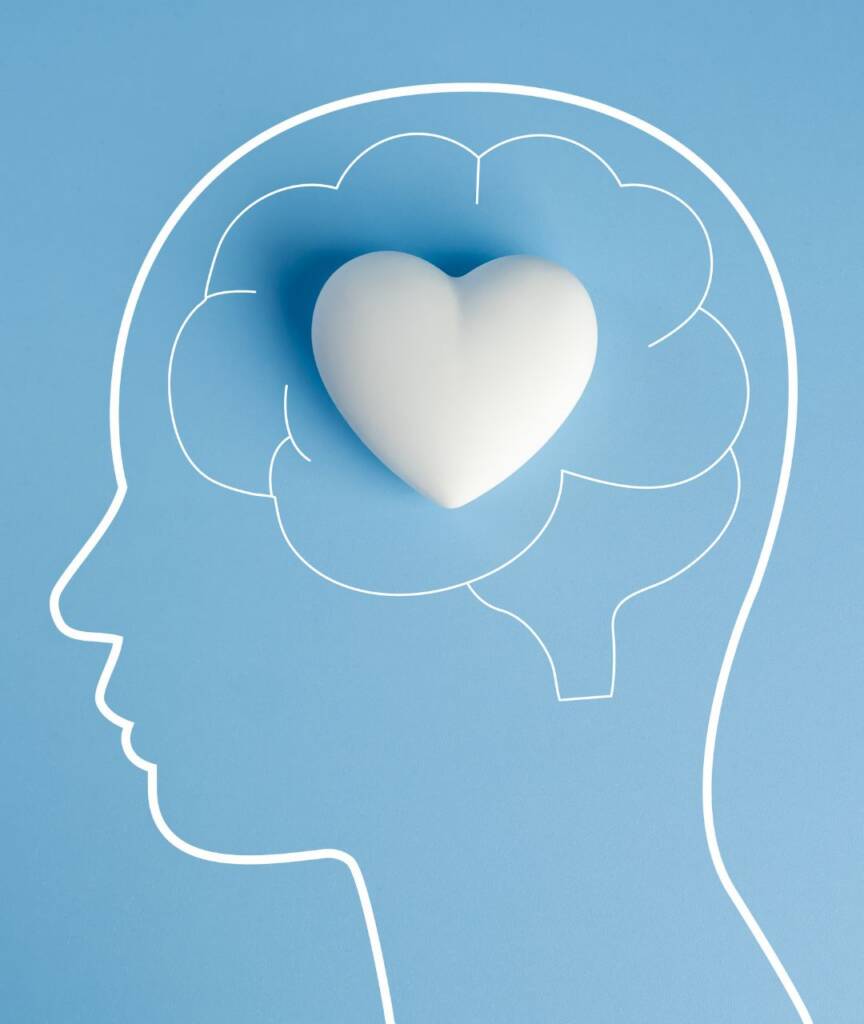
What is Integrative Mental Health?
Integrative Mental Health is an approach to mental well-being that combines evidence-based psychological principles with whole-person wellness practices. It recognizes that mental health is shaped by biological, emotional, social, and environmental factors, and addresses them together rather than in isolation.
At ACHS, integrative mental health education includes foundational mental health theory alongside applied learning in mindfulness, functional nutrition, aromatherapy, herbal studies, somatic practices, and lifestyle-based support strategies.
The Value of Accreditation
ACHS is accredited by the Distance Education Accrediting Commission (DEAC), which is recognized by the U.S. Department of Education and the Council for Higher Education Accreditation (CHEA).
This status ensures that your education meets high academic and professional standards, giving you confidence in the quality and credibility of your training.

Want to learn more about a specific program?
Connect with an academic advisor to talk through your goals, receive personalized guidance, and explore your path in integrative health.
Meet Our Integrative Mental Health & Well-Being Experts
Our instructors bring expertise in integrative mental health, behavioral wellness, nutrition, somatic practices, and evidence-informed approaches to whole-person care. They combine academic knowledge with real-world experience to support your learning through practical insights, personalized guidance, and a shared commitment to your success.
FAQs
What is integrative mental health?
Integrative mental health is a whole-person approach to mental well-being. It combines evidence-based psychological principles with practices such as mindfulness, somatic and mind-body approaches, nutrition, herbal studies, and lifestyle strategies, recognizing that biological, psychological, social, environmental, and nutritional factors all shape mental health.
What does “whole-person care” mean in mental health?
Whole-person care looks at the full range of factors that influence mental well-being, including physical health, nutrition, stress, relationships, culture, work, and community, rather than focusing on a single symptom or approach. Healthcare systems, employers, and public health organizations increasingly use it to guide prevention and well-being programs.
What are somatic practices?
Somatic practices are body-based approaches that use awareness of physical sensation, breath, and movement to support stress regulation and well-being. ACHS students study the science and application of somatic and mindfulness practices as part of an integrative approach to mental wellness. These programs do not train students to provide somatic therapy, which is a clinical service.
What is psychoneuroimmunology?
Psychoneuroimmunology is the study of how the mind, nervous system, and immune system interact. It helps explain how stress, emotions, and lifestyle can influence physical and mental health, and it’s one of the scientific foundations of integrative mental health.
Will these programs qualify me to become a licensed counselor or therapist?
No. Mental health counseling, therapy, and psychology are licensed professions that require specific graduate degrees, supervised clinical hours, and state licensure. ACHS integrative mental health programs, including the Doctor of Science, are educational and do not lead to licensure. Graduates may not diagnose or treat mental health conditions or use protected professional titles unless separately licensed.
What’s the difference between clinical and non-clinical mental wellness roles?
Clinical roles, such as licensed counselors, psychologists, and psychiatric providers, assess, diagnose, and treat mental health conditions. Non-clinical roles focus on education, prevention, well-being programming, leadership, research, and lifestyle support, and refer individuals to licensed professionals when clinical care is needed. Licensed professionals in ACHS programs apply what they learn within their existing scope of practice.
Who is the Doctor of Science in Integrative Mental Health & Well-Being for?
The DSc is designed for experienced wellness, health, education, and mental health professionals who want to lead integrative mental well-being efforts through leadership, education, consulting, program development, and applied research. It includes an original doctoral dissertation.

Ready to take the next step?
Apply now and start building your future in holistic health with a trusted, accredited herbal medicine program.