Reviewed by Dr. Judith Thompson, ACHS Dean of Herbal Medicine, and Amanda Lattin, ACHS Dean of Aromatherapy.
Key Takeaways
- Botanical Therapeutics combines herbal medicine, aromatherapy, botanical science, and product formulation.
- It connects traditional plant knowledge with contemporary research.
- Safety, quality, sustainability, and responsible sourcing are key areas of study.
- The field extends beyond Herbal Medicine and Aromatherapy to include botanical products and regulatory considerations.
- Botanical knowledge applies to natural products, supplements, cosmetics, and wellness industries.
- ACHS offers flexible, 100% online certificate programs.
- Career paths include product development, regulatory affairs, wellness education, and entrepreneurship.
Plants have long been used in wellness practices, from essential oils and herbal teas to extracts and topical preparations. Today, growing interest in botanical products, sustainability, product quality, and evidence-informed wellness is creating opportunities to explore the science and applications of plants.
These frequently asked questions explain the field, how it differs from Aromatherapy and Herbal Medicine, and how to study Botanical Therapeutics at ACHS.
1. What Is Botanical Therapeutics?
Botanical Therapeutics is the interdisciplinary study of herbs, essential oils, and other plant-derived products used in wellness practices. It combines elements of herbal medicine, aromatherapy, botany, botanical science, formulation, and product safety. When studying Botanical Therapeutics at ACHS, students connect traditional knowledge with contemporary research while exploring:
- Plant identification and properties: Understanding medicinal plants, essential oils, and their traditional uses.
- Evidence-informed practice: Examining scientific research alongside traditional knowledge.
- Safety and formulation: Learning about appropriate applications, ingredient interactions, and safe formulation principles.
- Quality and sustainability: Exploring botanical product quality, responsible sourcing, and sustainable practices.
- Regulatory awareness and professional ethics: Understanding relevant U.S. regulations, responsible communication, and professional scope of practice.
These frequently asked questions explain the field, how it differs from Aromatherapy and Herbal Medicine, and how to study Botanical Therapeutics at ACHS.
2. How Is Botanical Therapeutics Different From Herbal Medicine?
 Herbal Medicine focuses on medicinal plants and their preparations, including teas, tinctures, extracts, and powders. Students explore botanical identification, traditional uses, plant constituents, preparation methods, safety, and scientific research.
Botanical Therapeutics builds on these topics while expanding into essential oil science, Aromatherapy, botanical formulation, product quality, sustainability, and regulatory considerations for both topical and internal uses of plants.
For example, students might explore chamomile Matricaria chamomilla in different ways:
- Herbal Medicine: Examine chamomile’s traditional uses, properties, and preparation as an herbal infusion.
- Botanical Therapeutics: Study chamomile as both an herb and a source of essential oil, including formulation, quality standards, sourcing, and safety.
Both disciplines provide valuable knowledge. Botanical Therapeutics offers a broader perspective on botanical ingredients, their applications, and the standards that guide their responsible use.
3. How Is Botanical Therapeutics Different From Aromatherapy?
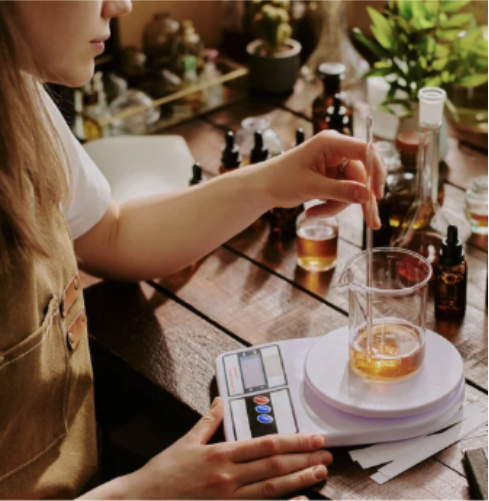 Aromatherapy focuses on the responsible use of essential oils, including:
- Essential oil chemistry, properties, and extraction methods
- Safe handling, dilution, and blending
- Applications in wellness settings
Botanical Therapeutics encompasses Aromatherapy while expanding into medicinal herbs, botanical preparations, formulation, product quality, sustainability, and regulatory considerations.
For example, students studying lavender Lavandula angustifolia in Aromatherapy might focus on its essential oil composition, aroma, dilution, and safe use. In Botanical Therapeutics, they can also explore the plant’s characteristics, other herbal preparations, sourcing, quality, and formulation.
In short, Aromatherapy specializes in essential oils, while Botanical Therapeutics connects knowledge from Aromatherapy and Herbal Medicine to explore a broader range of botanical products and applications.
4. Why Is Botanical Therapeutics an Important and Growing Field?
Botanical ingredients are used across a variety of industries, including dietary supplements, personal care, cosmetics, aromatherapy, natural products, and wellness education. As interest in botanical products continues, so does the need for professionals who understand their properties, quality, safety, and responsible use.
Several factors make Botanical Therapeutics an important area of study.
- Growing interest in plant-based products
- The need for safety and quality knowledge
- The intersection of traditional knowledge and contemporary research
- Sustainability and responsible sourcing
- Evolving industry and regulatory needs
Together, these factors make Botanical Therapeutics relevant to people interested in wellness practice, natural products, product development, education, and related professional fields.
5. What Can You Learn in a Botanical Therapeutics Program?
Botanical Therapeutics programs can help students build knowledge across multiple disciplines rather than concentrating on a single type of botanical ingredient.
At ACHS, students explore topics such as:
- Medicinal plant identification, properties, and traditional uses
- Essential oil composition, aromatherapy, and essential oil chemistry
- Botanical preparations and formulation principles
- Botanical product safety and quality considerations
- Evidence-informed approaches to botanical wellness
- Sustainable sourcing and responsible ingredient selection
- Professional ethics and communication
- Relevant U.S. regulatory requirements for botanical products
The specific subjects and depth of study depend on the program. Some programs introduce foundational concepts, while more advanced study offers opportunities to explore botanical science, formulation, specialization, and business development.
6. How Can You Study Botanical Therapeutics at ACHS?
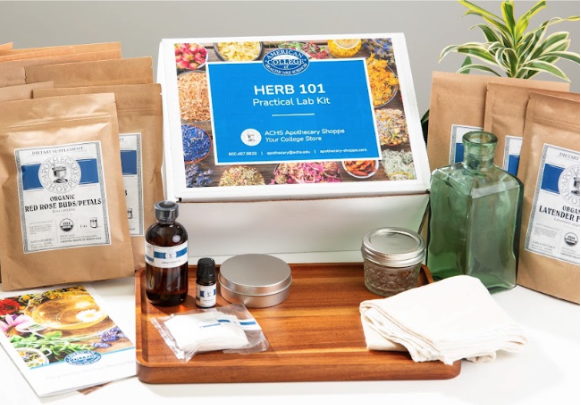 ACHS offers online Botanical Therapeutics education for beginners, career changers, current students, wellness professionals, and individuals already working in the botanical products industry.
Programs are 100% online, with flexible schedules and support from faculty and academic advisors. ACHS also incorporates practical learning into its Botanical Therapeutics curriculum, including hands-on formulation experiences designed to connect academic concepts with real-world applications.
Students can explore several educational pathways based on their background and goals.
Graduate Certificate in Botanical Regulatory Affairs
The ACHS Graduate Certificate in Botanical Regulatory Affairs prepares professionals to navigate U.S. regulations for dietary supplements and botanical products. Through flexible, fully online graduate-level courses, students develop specialized knowledge in:
- Federal regulations: DSHEA, cGMP, and compliance requirements
- Product safety and quality: Pharmacognosy, phytochemistry, and botanical interactions
- Labeling and claims: Claims substantiation and regulatory documentation
- Compliance practices: Adverse-event reporting, professional ethics, and evidence-informed regulatory decisions
This certificate supports professionals seeking to strengthen their regulatory expertise and contribute to compliant botanical product development.
Certificate in Applied Botanical Therapeutics
The ACHS Certificate in Applied Botanical Therapeutics introduces students to the science, history, and practical applications of botanical products through integrated study of herbal medicine and aromatherapy. Students develop foundational knowledge and hands-on skills in:
- Medicinal plants, essential oils, and their properties
- Botanical preparation and formulation techniques
- Product safety, quality assurance, and sustainability
- Scientific evidence, professional ethics, and responsible wellness practices
This certificate prepares graduates for entry-level opportunities in the botanical industry or continued education in botanical therapeutics.
Advanced Certificate in Botanical Therapeutics
The ACHS Advanced Certificate in Botanical Therapeutics builds on foundational knowledge with advanced study of medicinal plants, essential oils, botanical formulation, and wellness applications. Students develop specialized knowledge and practical skills in:
- Herbal or essential oil science specialization
- Advanced botanical formulation and wellness planning
- Botanical product safety, quality, sustainability, and sourcing
- Business development, professional communication, and ethical practice
This certificate prepares graduates for advanced botanical wellness careers, entrepreneurial opportunities, or continued study toward a bachelor’s degree.
7. What Career Paths Are Related to Botanical Therapeutics?
Botanical Therapeutics education can provide a foundation for a range of professional interests. Career opportunities depend on an individual’s education, experience, additional credentials, local requirements, and the expectations of employers.
 A few potential career pathways include:
- Botanical Product Specialist: Help customers, retailers, or industry teams understand botanical ingredients, product characteristics, appropriate use, and quality considerations.
- Natural Products Retail and Apothecary: Work in natural products retail, apothecaries, or related businesses, supporting product selection, customer education, and responsible communication about botanical products.
- Botanical Product Development and Formulation: Contribute to the development of botanical products by applying knowledge of ingredients, formulation principles, sourcing, and product quality. Specific technical or laboratory roles may require additional training or experience.
- Regulatory Affairs and Quality Assurance: Support work involving botanical product documentation, labeling, quality processes, and regulatory compliance. Requirements vary by position, and specialized roles may require further education or industry experience.
- Integrative Wellness Education and Consulting: Provide wellness education or consulting within an appropriate professional scope, drawing on knowledge of botanical ingredients and evidence-informed wellness practices.
- Botanical Business Ownership: Develop a botanical product line, natural products business, wellness practice, or educational service, supported by knowledge of botanical ingredients, formulation, business fundamentals, and responsible marketing.
These pathways illustrate how Botanical Therapeutics can connect botanical knowledge with product-focused, educational, entrepreneurial, and wellness-related work. Program completion does not guarantee employment or a particular career outcome.
8. Is Botanical Therapeutics Right for You?
If you are interested in medicinal plants, essential oils, botanical products, and the science behind their responsible use, Botanical Therapeutics may be an area of study worth exploring.
The field connects traditional botanical knowledge with contemporary research, practical formulation skills, product quality, sustainability, and regulatory awareness. It can appeal to aspiring wellness professionals, natural products entrepreneurs, current aromatherapists and herbalists, and professionals seeking to expand their understanding of botanical ingredients.
At ACHS, students can begin with foundational coursework or pursue more advanced study based on their educational background and professional goals.
Explore Botanical Therapeutics at ACHS
Explore the ACHS Department of Botanical Therapeutics to review available programs, compare educational pathways, and learn how online study can help you build knowledge and skills in this evolving field.
Ready to learn more about the science, safety, and practical applications of botanical products? Take the next step:
This article is for informational purposes only. Please contact ACHS Admissions at [email protected] or 800-487-8839 for additional information and to apply for admission. Graduation from any ACHS program does not confer a license to practice medicine. ACHS graduates do not claim to treat, diagnose, cure, or prescribe. Please note that professional success is achieved by a number of factors beyond education and experience, including soft skills, work ethic, integrity, and other skills that may not be developed through education and training alone. Not all graduates will achieve the career outcomes provided as examples in this article and other ACHS marketing materials.