
Key Takeaways
- Botanical medicine research combines traditional knowledge with modern science to study medicinal plants, herbal preparations, and essential oils.
- Multiple disciplines contribute to botanical research, including pharmacognosy, phytochemistry, ethnobotany, pharmacology, and clinical research.
- Accurate identification and characterization are essential because botanical composition can vary by species, growing conditions, processing, storage, and extraction method.
- Researchers use a range of methods, including phytochemical analysis, laboratory studies, and clinical research.
- Research can help evaluate botanical safety, quality, chemistry, traditional uses, and potential applications while identifying areas for further study.
- Botanical research literacy helps professionals evaluate scientific evidence and apply botanical knowledge responsibly within their scope of practice.
- Career pathways include research, formulation, quality control, regulatory affairs, education, and content development, which are all part of the natural products industry.
- Botanical medicine education connects plant knowledge with science, safety, formulation, and evidence-informed practice.
Reviewed by Dr. Judith Thompson, ACHS Dean of Herbal Medicine.
Plants have been used for health and wellness for thousands of years, but understanding how botanicals work requires more than traditional knowledge alone. Today, botanical medicine research brings together traditional practices and modern scientific methods to investigate medicinal plants, herbal preparations, essential oils, and their potential applications.
From identifying a plant and analyzing its chemical constituents to studying safety, mechanisms of action, and potential effects in humans, botanical research encompasses a wide range of disciplines. It also plays an important role in helping practitioners, researchers, educators, and product developers make informed decisions about botanical materials.
For students studying herbal medicine or aromatherapy, understanding how botanical research works can provide an important foundation for evaluating scientific literature and applying evidence responsibly.
What Is Botanical Medicine Research?
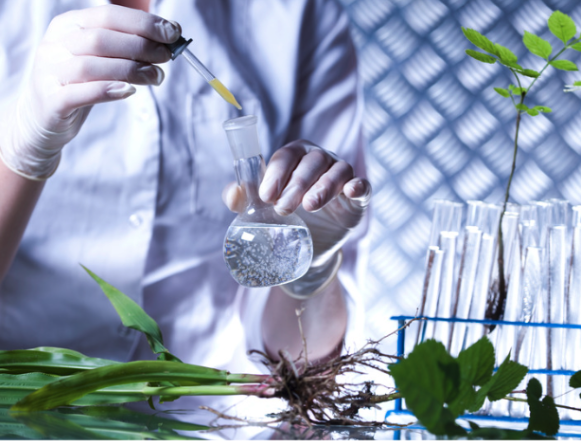 Botanical medicine research is the scientific study of plants, fungi, and their chemical components to develop therapeutic formulas, dietary supplements, and evidence-based treatments for human diseases.1 Depending on the research question, a study may investigate the identity and quality of a plant, its chemical constituents, biological activity, safety, traditional uses, or potential applications in humans.
Botanical research can include:
- Pharmacognosy: The study of medicinal substances obtained from natural sources, including their identification, quality, and properties.
- Phytochemistry: The study of the chemical constituents found in plants.
- Ethnobotany and ethnopharmacology: Research into traditional relationships between people and plants, including how plants have historically been used.
- Pharmacology: The study of how substances interact with biological systems.
- Clinical research: Studies that investigate botanical preparations in human participants.
- Quality-control research: Methods used to verify botanical identity, purity, consistency, and composition.
These areas often overlap. A single research project might begin with the botanical identification of a plant, continue with phytochemical analysis, and then evaluate a preparation through laboratory or clinical research.
Why Does Botanical Research Require Specialized Methods?
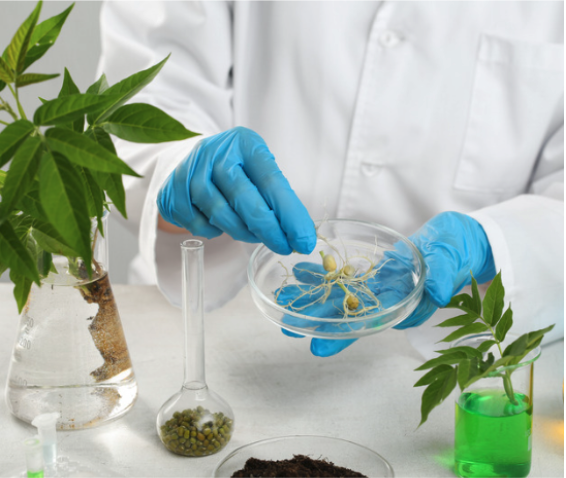 Botanicals are complex materials. Unlike a pharmaceutical drug that may contain a single defined active ingredient, an herbal preparation can contain dozens or even hundreds of chemical constituents.2
The composition of a plant can also vary according to species, plant part, growing conditions, geography, harvest timing, processing, storage, and extraction method. This variability makes accurate identification and characterization particularly important in botanical research.3
For example, simply identifying a plant by its common name may not provide enough information for a research study. Researchers may need to document the scientific name, plant part, source, preparation method, and other characteristics so that the material can be accurately described and the research can be reproduced.
This is one reason botanical medicine research begins with the material itself.
Common Methods Used in Botanical Medicine Research4
- Botanical Identification and Authentication: Researchers use organoleptic (sensory), microscopic, DNA-based, and chemical methods to accurately identify botanicals and detect potential substitution, adulteration, or contamination.
- Phytochemical Analysis: Researchers analyze plant constituents such as alkaloids, flavonoids, terpenes, and volatile compounds using techniques such as chromatography, spectroscopy, and mass spectrometry.
- In Vitro Research: Laboratory studies using cells, tissues, enzymes, or other models help researchers investigate biological activity and potential mechanisms before testing on animals or humans.
- Animal and Preclinical Research: Preclinical studies can investigate a botanical’s potential activity, safety, metabolism, and mechanisms before further research in humans.
- Clinical Research: Human studies evaluate the safety, tolerability, and potential effects of botanical products using study designs such as observational studies and clinical trials.
- Systematic and Literature Reviews: Researchers evaluate existing studies to summarize evidence, identify research gaps, and distinguish preliminary findings from stronger clinical evidence.
What Can Botanical Medicine Research Tell Us?
Botanical research can contribute to many areas, including:
- Understanding traditional botanical uses. Researchers can document and investigate traditional uses of plants while considering historical, cultural, and scientific contexts.
- Exploring mechanisms of action. Laboratory and pharmacological studies can investigate how specific constituents or botanical preparations interact with biological systems.
- Evaluating safety. Research can examine adverse effects, toxicity, contraindications, interactions, dosage considerations, and other safety questions.
- Supporting product development. Researchers and formulators can use phytochemical and quality-control data to develop more consistent botanical preparations.
- Investigating clinical applications. Clinical research can explore how botanical preparations may be incorporated into wellness or healthcare settings within appropriate professional and regulatory boundaries.
- Protecting botanical integrity. Authentication and quality-control research can help identify adulteration and support more reliable botanical supply chains.
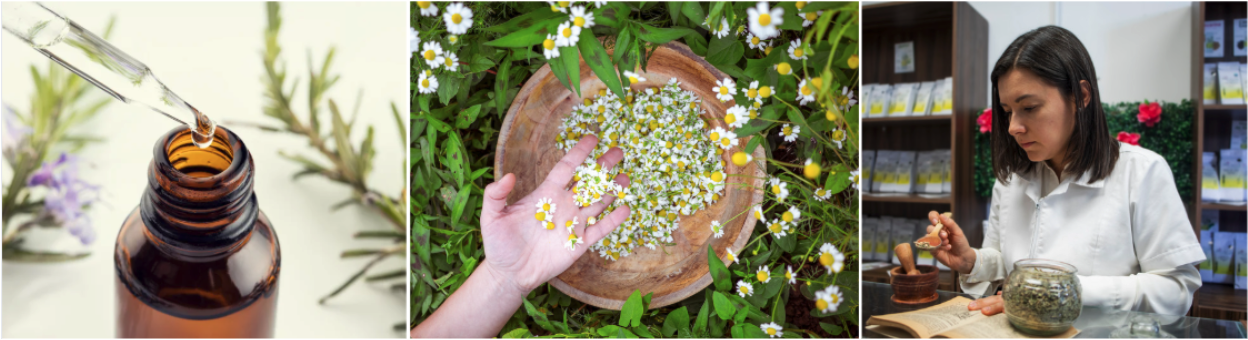
Potential Career Pathways in Botanical Medicine
A background in botanical medicine can support a variety of career pathways across education, research, wellness, product development, and the natural products industry. Depending on their education, training, professional credentials, and local regulations, graduates in the field may explore roles such as:
- Herbalist
- Aromatherapist
- Botanical Product Formulator
- Natural Products Researcher
- Quality Assurance or Quality Control Specialist
- Botanical Ingredient Specialist
- Regulatory Affairs Professional
- Botanical Medicine Educator
- Health and Wellness Content Specialist
- Research or Academic Support Professional
- Natural Products Industry Professional
Career opportunities and professional scopes vary by role, education, credentials, employer, and jurisdiction. Students should research the specific education, certification, licensing, and regulatory requirements associated with the career path they are considering.
Preparing the Next Generation of Botanical Health Professionals
As interest in botanical medicine continues to grow, professionals need more than familiarity with herbs and essential oils. They also need the ability to evaluate information, understand research methods, recognize evidence limitations, and apply botanical knowledge responsibly.
 This is an important part of the educational approach at American College of Healthcare Sciences. ACHS offers programs in aromatherapy, herbal medicine, and integrative health with coursework that connects botanical knowledge with science, safety, formulation, and evidence-informed practice.
Botanical medicine research is ultimately about asking careful questions about plants and the preparations made from them. By combining traditional knowledge with modern scientific methods, researchers can build a clearer understanding of botanical identity, chemistry, safety, quality, and potential applications.
For today’s herbal and integrative health professionals, botanical research literacy can be an important part of responsible, informed botanical practice.
Explore Botanical Medicine Education at ACHS
Interested in learning more about the science and practice of herbs and essential oils? Explore ACHS’s integrative health and wellness programs to find an educational path aligned with your interests and professional goals.
- Explore ACHS Herbal Medicine Programs
- Explore ACHS Aromatherapy Programs
- Explore ACHS Integrative Health Programs
Have more questions? Reach out to us for more information.
Frequently Asked Questions About Botanical Medicine Research
What is botanical medicine research?
Botanical medicine research is the scientific study of plants, fungi, their chemical constituents, and botanical preparations to better understand their identity, chemistry, safety, biological activity, traditional uses, and potential applications.
Why is botanical research important?
Botanical research helps improve understanding of botanical materials, evaluate safety and quality, investigate traditional uses, and build evidence around potential applications of herbs and other plant-based preparations.
What methods are used in botanical medicine research?
Common methods include botanical identification and authentication, phytochemical analysis, in vitro and preclinical research, clinical studies, and systematic or literature reviews.
What is the difference between herbal medicine and botanical medicine research?
Herbal medicine focuses on the use of herbs and herbal preparations, while botanical medicine research investigates plants and botanical materials using scientific research methods. Research can help inform the responsible use and study of herbal medicines.
Can botanical medicine research involve essential oils?
Yes. Research on essential oils may examine their chemical composition, quality, safety, biological activity, and potential applications using methods such as chemical analysis, laboratory studies, and human research.
What careers are available in botanical medicine?
Career pathways may include herbalism, aromatherapy, botanical product formulation, natural products research, quality control, regulatory affairs, education, content development, and other roles within the natural products industry.
How can I learn more about botanical medicine research?
Programs in herbal medicine, aromatherapy, and integrative health can provide foundational knowledge in botanical science, research, safety, formulation, and evidence-informed practice.
Sources
- Wachtel-Galor, S., & Benzie, I. F. F. (2011). Herbal medicine: An introduction to its history, usage, regulation, current trends, and research needs. In I. F. F. Benzie & S. Wachtel-Galor (Eds.), Herbal medicine: Biomolecular and clinical aspects (2nd ed.). CRC Press/Taylor & Francis. https://www.ncbi.nlm.nih.gov/books/NBK92773/
- U.S. Food & Drug Administration. (2026, September 3). What is a Botanical Drug? FDA. Retrieved September 30, 2026, from https://www.fda.gov/about-fda/cder-offices-and-divisions/what-botanical-drug
- U.S. Department of Health and Human Services. (2016, December 1). Botanical Drug Development Guidance for Industry. FDA. Retrieved September 30, 2026, from https://www.fda.gov/files/drugs/published/Botanical-Drug-Development–Guidance-for-Industry.pdf
- Kellogg, J. J., Paine, M. F., McCune, J. S., Oberlies, N. H., & Cech, N. B. (2019). Selection and characterization of botanical natural products for research studies: a NaPDI center recommended approach. Natural product reports, 36(8), 1196–1221. https://doi.org/10.1039/c8np00065d
This article is for informational purposes only. The information included is representative of industry trends as provided in the references. Please refer to third-party sites for additional information. ACHS does not guarantee graduate employment or other placement. Note that professional success is achieved by a number of factors beyond education and experience, including soft skills, work ethic, integrity, and other skills that may not be developed through education and training alone.