Key Takeaways
- Integrative health takes a whole-person approach, considering physiology, nutrition, lifestyle, environment, culture, and overall well-being.
- Women’s hormonal health extends beyond menstruation to include fertility, preconception health, nutrition, lifestyle, stress, sleep, and reproductive health.
- Healthy aging focuses on healthspan, not just lifespan, with attention to function, resilience, independence, and quality of life.
- Many factors contribute to healthy aging, including nutrition, movement, sleep, stress regulation, social connection, metabolic health, and cognitive and emotional well-being.
- Traditional healing systems offer valuable historical and cultural perspectives on health, plants, lifestyle, and healing, including Ayurveda, Traditional Chinese Medicine, Western herbal traditions, and Appalachian and Southern folk healing.
- Evidence, safety, cultural context, and professional scope matter when studying and applying traditional and integrative approaches. Traditional use alone does not establish clinical effectiveness.
- ACHS offers specialized online coursework in women’s hormonal health, longevity and healthy aging, and traditional and modern integrative healing systems.
Integrative Health Trends: Hormonal Health, Longevity & Healing
Integrative health continues to evolve as research, traditional knowledge, and growing interest in whole-person wellness shape how we think about health across the lifespan.
Three areas are creating particularly interesting conversations: women’s hormonal health, longevity and healthy aging, and traditional and integrative healing systems.
At first, these topics may seem unrelated. Yet each raises a similar question: How can we better understand health by considering the whole person rather than looking at one symptom, system, or intervention in isolation?
For students and health and wellness professionals, these areas also offer opportunities to build specialized knowledge in subjects that increasingly intersect with nutrition, herbal medicine, lifestyle, reproductive wellness, healthy aging, and integrative health.
What Are Key Areas in Integrative Health Today?
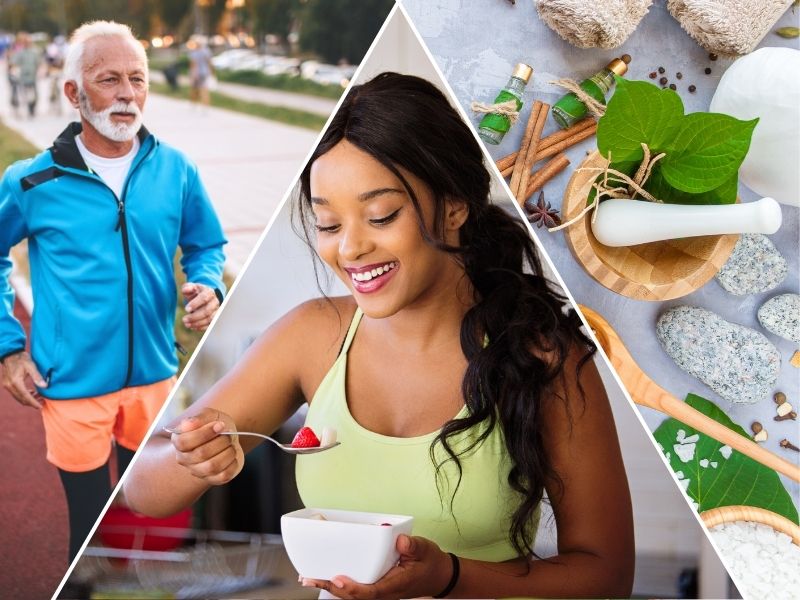
Women’s hormonal health, longevity, and healthy aging, as well as traditional healing systems, are three important areas within integrative health education. These fields examine health from different perspectives but share an emphasis on understanding the relationships among physiology, nutrition, lifestyle, environment, culture, and whole-person well-being.
The World Health Organization (WHO) describes traditional, complementary, and integrative medicine as an area that includes traditional knowledge and complementary practices while emphasizing evidence, safety, quality, and appropriate integration into health systems.
1. Women’s Hormonal Health: Understanding the Bigger Picture
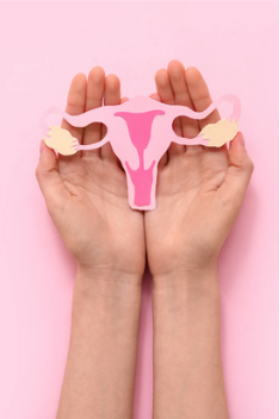 Interest in women’s hormonal health has expanded far beyond conversations about menstruation alone.
Menstrual health, fertility, preconception health, nutrition, lifestyle, stress, sleep, and other aspects of well-being can intersect with reproductive and hormonal health.
Understanding those relationships begins with physiology. The menstrual cycle involves coordinated communication among the brain, ovaries, and reproductive system. Changing levels of estrogen and progesterone throughout the month help regulate reproductive processes.
The U.S. Office on Women’s Health explains that menstrual cycles can vary from person to person and also change throughout a person’s life.
Why Is Fertility Part of the Hormonal Health Conversation?
Understanding menstrual and reproductive physiology also provides an important foundation for studying fertility.
Fertility is complex and can be influenced by many factors. According to the World Health Organization, approximately one in six people of reproductive age experience problems conceiving during their lifetime. It can involve the male or female reproductive system and may result from a range of reproductive and health factors.
This complexity is one reason evidence-informed education matters. Women’s hormonal and reproductive health should not be reduced to a single hormone, supplement, food, or lifestyle intervention. A whole-person approach can instead examine physiology alongside areas such as nutrition, botanicals, lifestyle, mind-body practices, and appropriate healthcare.
Study Women’s Hormonal Health at ACHS
For students interested in studying this area more deeply, American College of Healthcare Sciences (ACHS) offers WHH 510 Integrative Modalities in Women’s Hormonal Health: Menstruation and Fertility.
This graduate-level online course explores women’s hormonal health from early menstruation through the reproductive years. Students examine the neuroendocrine physiology of the menstrual cycle and apply that foundation to menstrual and reproductive health, preconception health, and fertility.
The course also evaluates evidence-informed integrative modalities, including nutrition, botanicals, lifestyle, and mind-body practices.
Explore WHH 510 Integrative Modalities in Women’s Hormonal Health: Menstruation and Fertility
2. Longevity and Healthy Aging: Looking Beyond Lifespan
What does it mean to age well?
For a long time, conversations about longevity centered heavily on lifespan: how long someone lives. Today, another concept has become an important part of the conversation: healthspan, or the period of life spent in good health.
That shift changes the question from simply “How can we live longer?” to a broader one: How can we support health, function, resilience, and quality of life as we age?
This is especially relevant as populations age worldwide. The World Health Organization reports that by 2030, one in six people globally will be age 60 or older. WHO also describes healthy aging in terms of developing and maintaining the functional ability that enables well-being in older age.
What Factors Contribute to Healthy Aging?
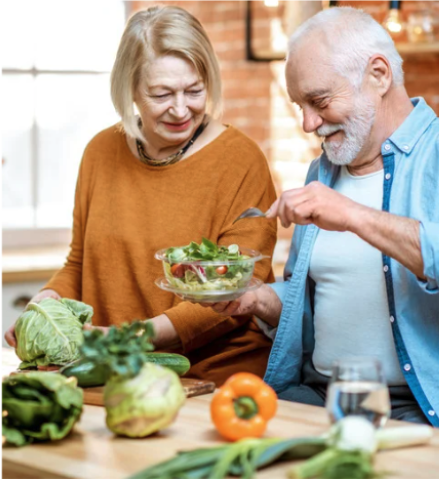 There is no single formula for healthy aging. Genetics, environment, healthcare, socioeconomic factors, nutrition, physical activity, sleep, social connection, and other influences can all contribute to health across the lifespan.
This makes healthy aging particularly well-suited to a whole-person perspective. Areas of study may include:
- Nutrition and botanicals
- Movement and physical activity
- Sleep and circadian health
- Stress regulation
- Social connection
- Gut and microbiome health
- Metabolic health
- Mitochondrial function
- Cognitive and emotional well-being
These factors should not be viewed as a formula for guaranteeing a longer life. Instead, they offer different ways to examine the biological, behavioral, and environmental factors associated with health across adulthood.
Study Integrative Longevity and Healthy Aging at ACHS
ACHS offers LHA 510 Integrative Longevity and Healthy Aging, a graduate-level online course examining the science and practice of healthy aging through an integrative lens.
Students examine the physiological, mental, emotional, and lifestyle factors that influence longevity and healthy aging and learn practical, integrative strategies that support vitality, resilience, function, and motion, and quality of life across adulthood.
Explore LHA 510 Integrative Longevity and Healthy Aging
3. Traditional Healing Systems in Modern Integrative Health
Many of today’s conversations about integrative health have roots that extend back centuries, or longer. Cultures around the world have developed distinct systems for understanding health, food, plants, the environment, and healing.
The World Health Organization describes traditional medicine as knowledge, skills, and practices rooted in different historical and cultural contexts. WHO’s work in this area also emphasizes evidence, safety, quality, and culturally respectful approaches.
Interest in traditional medicine does not mean abandoning evidence. Studying these traditions responsibly means considering history, philosophy, cultural context, available scientific evidence, safety, and professional scope of practice.
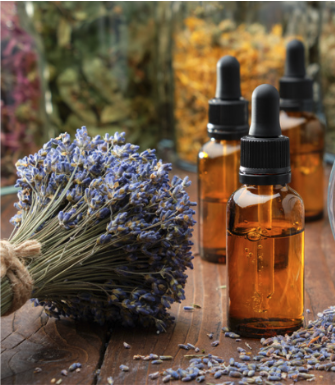 What Are Examples of Traditional Healing Systems?
- Ayurveda: A traditional system originating in India that incorporates approaches involving diet, lifestyle, botanicals, and other practices.
- Traditional Chinese Medicine: A system rooted in Chinese history that includes practices such as herbal medicine, acupuncture, movement, and dietary approaches.
- Western herbal traditions: Diverse European and Western traditions involving medicinal plants and evolving philosophies of health and healing.
- Appalachian and Southern folk healing: Regional traditions influenced by generations of Indigenous, European, African, and other cultural knowledge and relationships with locally available plants.
Study Traditional and Modern Integrative Healing Systems at ACHS
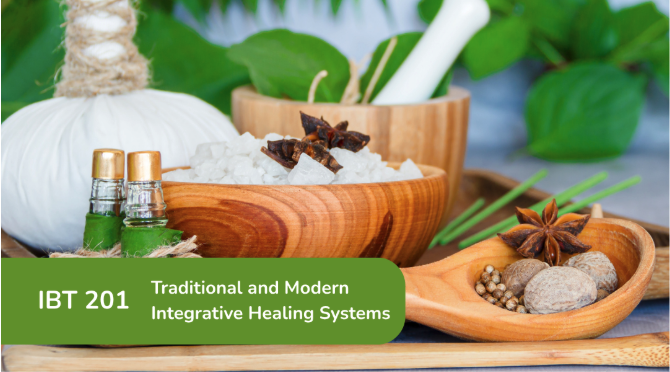
Students interested in herbal medicine, botanical therapeutics, and the historical foundations of integrative health can explore these subjects through IBT 201 Traditional and Modern Integrative Healing Systems at ACHS.
The undergraduate course examines Western vitalism, Ayurveda, Traditional Chinese Medicine, Appalachian and Southern folk healing, and other perspectives while considering how cultural and historical contexts have shaped approaches to plant-based healing.
Explore IBT 201 Traditional and Modern Integrative Healing Systems
Learn more about Herbal Medicine
Looking at the Bigger Picture of Whole-Person Health
Whole-person health considers the many factors that can influence health and well-being rather than focusing on a single symptom, system, or intervention. This broader perspective can include physiology, nutrition, lifestyle, environment, emotional well-being, cultural context, traditional knowledge, and individual differences.
 Women’s hormonal health, longevity, and healthy aging, as well as traditional healing systems, each demonstrate this interconnected approach in different ways. Hormonal health involves relationships among reproductive physiology, nutrition, lifestyle, and overall health. Healthy aging considers factors that support health and function across the lifespan. Traditional healing systems offer historical and cultural perspectives on the relationship between people, plants, lifestyle, and well-being.
A whole-person approach also requires critical thinking and attention to evidence. Traditional use does not automatically establish clinical effectiveness, and emerging wellness practices may have varying levels of research behind them. Understanding the evidence, its limitations, and when appropriate healthcare is needed is an important part of responsible integrative health education.
Together, whole-person thinking, evidence-informed practice, and respect for individual and cultural context provide a foundation for studying these evolving areas of integrative health.
Frequently Asked Questions About Integrative Health
What is integrative health?
Integrative health takes a whole-person perspective and considers the relationships among different factors affecting health and well-being. It can include evidence-informed complementary approaches alongside conventional healthcare, lifestyle, nutrition, and mind-body practices.
What is women’s hormonal health?
Women’s hormonal health encompasses hormonal and endocrine processes across different stages of life, including menstrual and reproductive physiology. Hormonal health can intersect with fertility, preconception health, nutrition, lifestyle, and other areas of overall health.
What is healthspan?
Healthspan generally refers to the portion of life spent in good health. In healthy-aging discussions, it shifts attention from lifespan alone toward function, independence, resilience, and quality of life across adulthood.
What are traditional healing systems?
Traditional healing systems are culturally and historically rooted bodies of knowledge and practices used to support health and well-being.
Why study traditional healing alongside modern research?
Studying traditional healing systems alongside current research allows students to examine historical and cultural knowledge while also evaluating contemporary evidence, safety, limitations, and appropriate professional applications.
Can you study integrative health online?
Yes. American College of Healthcare Sciences offers online undergraduate and graduate education in integrative health and wellness, including specialized coursework in women’s hormonal health, longevity and healthy aging, herbal medicine, and traditional and modern integrative healing systems.
Explore Emerging Areas of Integrative Health at ACHS
As integrative health continues to evolve, specialized education can help students and professionals understand emerging areas of interest while approaching them with evidence, context, and appropriate professional boundaries.
American College of Healthcare Sciences is an accredited online institution specializing in integrative health and wellness education.
ACHS has expanded its course offerings with three areas of specialized study:
WHH 510 – Integrative Modalities in Women’s Hormonal Health: Menstruation and Fertility
Explore menstrual and reproductive physiology, fertility, preconception health, nutrition, botanicals, lifestyle, and mind-body approaches.
LHA 510 – Integrative Longevity and Healthy Aging
Examine the biological, physiological, mental, emotional, and lifestyle factors that help explain why we age and influence longevity, resilience, health span, and quality of life.
IBT 201 – Traditional and Modern Integrative Healing Systems
Explore traditional healing philosophies and practices, including Western vitalism, Ayurveda, Traditional Chinese Medicine, and Appalachian and Southern folk healing.
Sources
- World Health Organization. (2026). Traditional, Complementary and Integrative Medicine – Traditional, Complementary and Integrative Medicine. World Health Organization (WHO). Retrieved September 16, 2026, from https://www.who.int/health-topics/traditional-complementary-and-integrative-medicine#tab=tab_1
- World Health Organization. (2026, January 1). Infertility. World Health Organization (WHO). Retrieved September 16, 2026, from https://www.who.int/news-room/fact-sheets/detail/infertility
- World Health Organization. (2025, October 1). Ageing and health. World Health Organization (WHO). Retrieved September 16, 2026, from https://www.who.int/news-room/fact-sheets/detail/ageing-and-health
- US Department of Health and Human Services. (2021, February 22). Menstrual Cycle. Office on Women’s Health. Retrieved September 16, 2026, from https://womenshealth.gov/menstrual-cycle
- American College of Healthcare Sciences. (2026, September 14). Integrative Modalities in Women’s Hormonal Health. American College of Healthcare Sciences. https://achs.edu/courses/whh-510/
- American College of Healthcare Sciences. (2026, September 15). ACHS Expands Education in Hormonal Health and Longevity. American College of Healthcare Sciences. https://achs.edu/news/2026/09/15/achs-expands-education-in-hormonal-health-and-longevity/
- American College of Healthcare Sciences. (2026). Department of Integrative Health. American College of Healthcare Sciences. Retrieved September 16, 2026, from https://achs.edu/academics/departments/accredited-online-integrative-health-degrees/
- American College of Healthcare Sciences. (2026). Department of Herbal Medicine. American College of Healthcare Sciences. Retrieved September 16, 2026, from https://achs.edu/academics/departments/accredited-online-herbal-medicine-degrees/
Educational Disclaimer: This article is for educational purposes only. It is not intended to diagnose, treat, cure, or prevent disease and should not be considered a substitute for advice from a qualified healthcare professional.